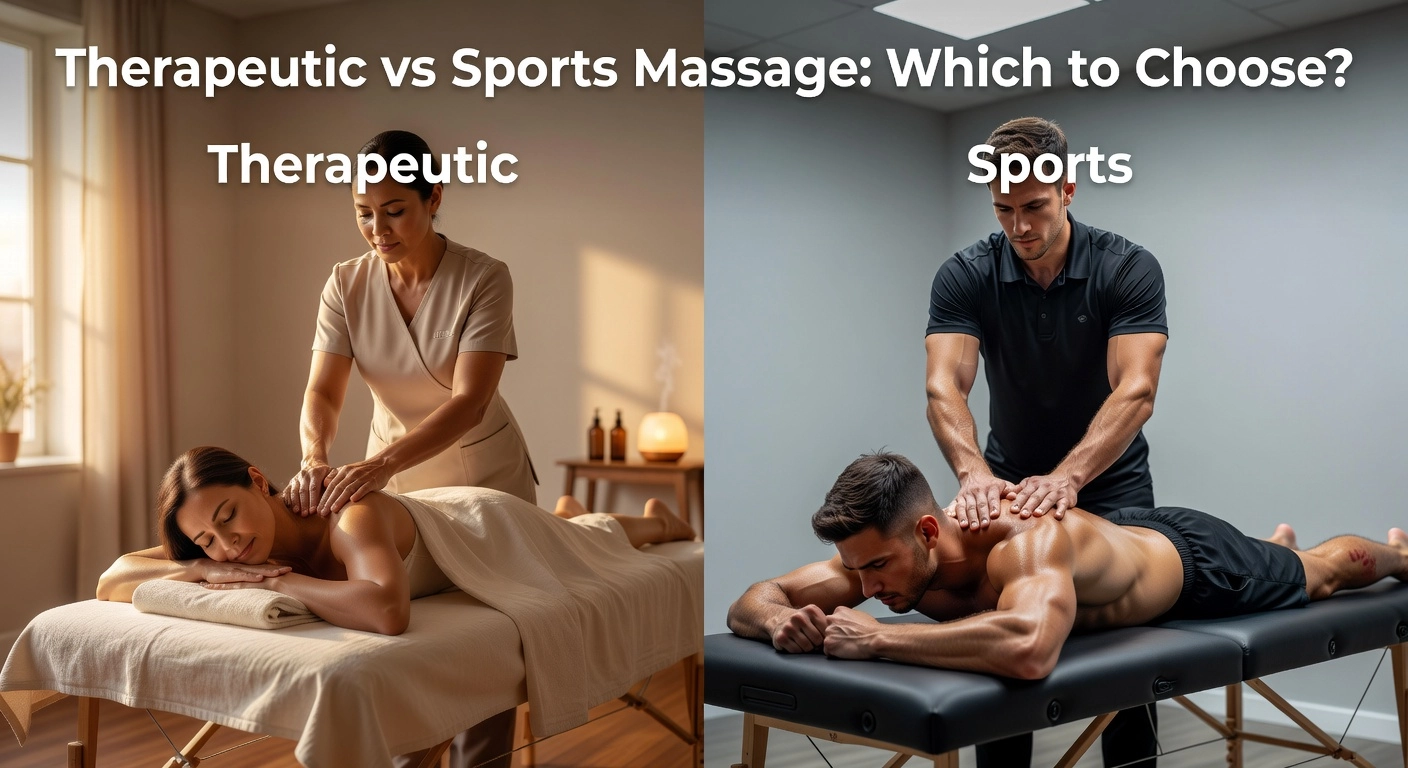
Whether you are an avid runner pushing through marathon training or someone battling persistent tension from a desk-bound routine, muscle discomfort demands targeted relief. The debate between therapeutic vs sports massage often arises at this crossroads. Both modalities promise recovery and relaxation, yet they diverge significantly in technique, focus, and outcomes. As a seasoned practitioner with years guiding clients through optimal bodywork choices, I see confusion frequently sideline potential benefits.
This post cuts through the ambiguity with a clear comparison of therapeutic vs sports massage. You will discover the core principles of each: therapeutic massage emphasizes holistic stress reduction, chronic pain alleviation, and gentle manipulation to restore balance across soft tissues. Sports massage, by contrast, targets acute injuries, enhances athletic performance, and employs deeper, dynamic strokes tailored to active lifestyles. We will examine their techniques side by side, weigh benefits against ideal use cases, and provide actionable criteria to select the right one for your needs. By the end, you will confidently book your next session, armed with knowledge to maximize results and avoid mismatched expectations.
What is Therapeutic Massage?
Primary Focus and Techniques
Therapeutic massage centers on promoting deep relaxation, reducing stress, and managing chronic pain through gentle, holistic techniques. Unlike sports massage, which targets athletes’ performance needs, it employs methods like Swedish massage with long gliding strokes known as effleurage and kneading to warm muscles, enhance lymphatic drainage, and ease tension without deep pressure. These approaches interrupt pain cycles in conditions such as fibromyalgia or lower back issues, fostering overall healing. Learn more about effleurage techniques. Practitioners tailor sessions to individual needs, making it a cornerstone for general wellness rather than athletic recovery.
Key Benefits for Wellness and Mobility
This massage style boosts general wellness by improving circulation, reducing inflammation, and enhancing everyday mobility. Benefits include better blood flow, immune support, and increased range of motion for daily tasks. According to the American Massage Therapy Association (AMTA), 19% of women and 23% of men received a massage in the past year, highlighting its popularity for stress relief and pain management. Studies show it lowers cortisol levels, aiding long-term health.
Ideal for Non-Athletes and Market Growth
Therapeutic massage suits non-athletes, office workers battling desk-related tension, and those with chronic conditions like arthritis. It addresses posture issues and repetitive strain without intensity. The global market is projected to reach USD 21.12 billion in 2025, driven by wellness demand. Compare therapeutic vs. sports massage options.
Real-World Example
An office worker enduring long desk hours often experiences neck stiffness; a 60-minute session with effleurage on the upper back yields immediate relief, improved head mobility, and fewer headaches for days, complementing personal training routines.
What is Sports Massage?
Sports massage is a specialized form of massage therapy designed specifically for athletes and active individuals, focusing on injury prevention, enhanced recovery, and peak performance optimization. While therapeutic massage prioritizes overall relaxation and chronic pain relief through gentler methods, sports massage delivers targeted, intense interventions to address activity-specific muscle imbalances, tightness, and fatigue from repetitive training. Key techniques include deep tissue work with sustained pressure to break down adhesions, rhythmic compression to boost circulation and flush waste, and assisted stretching or myofascial release to restore flexibility and range of motion. These methods prepare the body for events, aid post-training recovery, or support rehabilitation, making sports massage indispensable for those pushing physical limits. What is a sports massage?
Evidence from Recent Research
A 2025 randomized controlled trial published in the International Journal of Therapeutic Massage & Bodywork demonstrated the efficacy of bi-weekly deep tissue sports massage sessions over eight weeks in 150 athletes. Participants showed significant performance improvements, particularly in strength and team sports, alongside reduced muscle soreness and faster recovery. Flexibility gains were notable in areas like the lumbar spine, knees, and shoulders, with longer sessions proving most effective. This data underscores sports massage’s superiority over passive recovery for reducing delayed onset muscle soreness by 13-30 percent. AMTA sports massage press release
In bodyweight training, such as calisthenics, sports massage accelerates recovery from high-rep exercises like pull-ups and dips, which stress eccentric muscle loading and induce inflammation. The segment’s 9.4 percent CAGR reflects surging demand among fitness enthusiasts, driven by rising injury awareness and sports participation.
Post-Workout Example for Calisthenics
After an intense session of pull-ups, dips, and pistol squats, target lats, rhomboids, pecs, triceps, quads, and calves with 30-45 minutes of petrissage, compression, and stretches. This routine flushes lactic acid, minimizes DOMS, and restores mobility for consistent training. Schedule sessions 24-48 hours post-workout for optimal results, integrating seamlessly with personal training regimens. Types of sports massage
Techniques: Therapeutic vs Sports Massage
Therapeutic massage employs gentle, flowing strokes to foster relaxation and holistic healing, primarily through techniques like Swedish massage and myofascial release. Swedish massage features long gliding effleurage and rhythmic kneading petrissage to enhance circulation, ease stress, and alleviate chronic tension without overwhelming the body. Myofascial release involves sustained, light pressure on fascial layers to unwind restrictions, improving posture and mobility for everyday wellness. These methods suit those in personal training routines seeking recovery from general strain, as noted by ICT Schools.
In contrast, sports massage delivers intense, targeted interventions like deep tissue work, trigger point therapy, and cross-fiber friction to meet athletic demands. Deep tissue uses slow, perpendicular strokes to penetrate muscle layers, dismantling adhesions from repetitive training. Trigger point therapy applies direct pressure to deactivate painful knots, while cross-fiber friction employs rapid transverse movements to heal tendons and reduce scar tissue. Kaizen Health Group highlights these as essential for performance, differing sharply from therapeutic’s milder approach.
Sports techniques excel at combating Delayed Onset Muscle Soreness (DOMS), peaking 24-72 hours post-bodyweight sessions due to micro-tears. Effleurage flushes lactic acid, compression cuts inflammation, and deep work accelerates nutrient delivery, slashing DOMS by up to 30% per foundational studies. This supports faster return to private gym sessions or one-on-one training.
| Massage Type | Technique Examples | Pressure Level | Typical Duration | Primary Target |
|---|---|---|---|---|
| Therapeutic | Swedish, Myofascial release | Light-moderate | 60-90 min | Stress relief, chronic pain |
| Sports | Deep tissue, Trigger point, Cross-fiber | Moderate-deep | 30-60 min | DOMS recovery, injury prevention |
For athletes in women’s or men’s personal training, opt for sports massage pre- or post-workout; therapeutic fits wellness maintenance. AHC Wellness Clinic affirms this delineation for optimal results.
Benefits Breakdown: Relaxation vs Performance
Therapeutic Massage Perks: Pain Relief, Sleep, and Daily Flexibility
Therapeutic massage shines in delivering relaxation-focused benefits that enhance everyday wellness. It provides significant pain relief for chronic issues like tension from desk work or poor posture, with 42% of users seeking it specifically for this purpose. Sessions improve sleep quality by lowering cortisol levels and promoting deep relaxation, addressing the 43% of consumers who prioritize stress reduction. Flexibility gains support daily activities, such as easier movement for household tasks or commuting, fostering better overall mobility. This demand drives industry growth, with the U.S. Bureau of Labor Statistics projecting 15% job growth for massage therapists from 2024 to 2034, much faster than average, alongside about 24,700 annual openings fueled by rising wellness trends.
Sports Massage Advantages: Recovery, Range of Motion, and Injury Prevention
Sports massage targets performance enhancement for active individuals engaged in bodyweight training or intense workouts. It accelerates recovery by reducing post-exercise soreness and blood lactate levels, as shown in a 2025 systematic review where bi-weekly sessions improved athlete performance over eight weeks. Increased range of motion through deep tissue and stretching techniques boosts dynamic balance and power output, ideal for one-on-one training sessions. Injury risk drops notably, with studies confirming fewer strains and optimized muscle function, making it essential for personal trainers focusing on sports prep. For women’s or men’s personal training clients, this translates to sustained progress without downtime.
Overlaps and Market Dominance
Both modalities improve circulation, aiding oxygen delivery and reducing inflammation for mutual pain relief benefits. Deep tissue techniques, overlapping sports and therapeutic applications, command a 44.5% market share in 2025, underscoring their versatility. Sports massage holds an 18% share in the performance sector, reflecting its edge amid booming fitness culture. Per the AMTA fact sheet, 49% seek massages for soreness, blending uses effectively. Actionable insight: Pair therapeutic sessions weekly for recovery with sports massage pre/post-training for optimal results in private gym settings.
Pros and Cons Side-by-Side
| Aspect | Therapeutic Massage | Sports Massage |
|---|---|---|
| Primary Focus | Relaxation, stress reduction, general wellness | Performance enhancement, injury prevention, recovery |
| Techniques | Gentle Swedish strokes, kneading, low pressure | Deep tissue, stretching, trigger point therapy |
| Pros | Relaxing and accessible; low intensity suits all levels; improves sleep and circulation; 43% of users seek for relaxation | Boosts athletic performance; targeted relief for soreness; speeds recovery (e.g., reduced DOMS in studies); growing at 9.4% CAGR |
| Cons | Less targeted for athletes; slower recovery from intense workouts | More painful due to deep pressure; needs specialized therapist |
| Ideal For | Wellness seekers managing stress or chronic pain | Active trainers and athletes in bodyweight or gym sessions |
| Intensity | Low to moderate | Moderate to high |
Therapeutic massage excels for those prioritizing calm and accessibility, offering low-intensity sessions that ease daily tensions without discomfort. Ideal for wellness seekers like busy professionals, it promotes better sleep and posture through gentle methods, aligning with data showing 43% of consumers choose it for relaxation massage therapy market analysis. However, it falls short for athletes needing precise muscle work, often leading to slower post-training recovery.
In contrast, sports massage delivers specific relief and performance boosts, making it essential for active trainers tackling bodyweight exercises or one-on-one sessions. Techniques target sport-specific areas, reducing injury risk and enhancing flexibility, as evidenced by RCTs showing faster recovery with bi-weekly applications. Drawbacks include potential pain from deep pressure and the need for a trained specialist. Wellness seekers benefit from therapeutic’s holistic calm, while active individuals thrive with sports massage’s targeted edge; consider hybrids for balanced needs in personal training routines. Consult a professional to match your goals.
When to Choose Therapeutic or Sports Massage
Opt for therapeutic massage when prioritizing stress reduction, chronic pain management, or general wellness; its gentle techniques like Swedish strokes promote relaxation, better circulation, and daily mobility for non-athletes. Choose sports massage, however, for training soreness, pre-event warm-ups, post-event recovery, or injury prevention; recent RCTs show bi-weekly sessions boost performance and cut delayed onset muscle soreness (DOMS) by enhancing flexibility and expelling lactic acid.
Scenario-Based Advice
An office worker with sedentary habits benefits most from therapeutic massage to ease neck and shoulder tension from poor posture, reduce anxiety, and improve overall posture without intense pressure. In contrast, a bodyweight athlete in calisthenics or private gym sessions thrives with sports massage; it targets muscle imbalances from high-rep movements, accelerates recovery between one-on-one training, and lowers overuse risks for sustained progress.
Demographic Considerations
AMTA data reveals parents with kids under 18 are 10% more likely to seek massages for family-stress relief, while 23% of men received one last year versus 19% of women, often driven by performance or pain needs in active lifestyles.
Consult professionals like those at The McLeod Method for a personalized assessment, integrating sports massage with bodyweight training and wellness services to match your goals precisely.
Research and 2026 Market Insights
Global and US Market Overview
The global massage therapy services market reached USD 21.12 billion in 2025, with projections indicating steady expansion to USD 40.26 billion by 2034 at a CAGR of 7.43%. In the US, the market stood at $19.0 billion in 2024, reflecting robust demand amid post-pandemic wellness integration. These figures underscore a projected CAGR of 7-9% through 2030, driven by rising consumer interest in therapeutic and sports massage options. North America holds about 40% of the global share, fueled by insurance referrals and corporate programs. Sports massage captures roughly 18% of the market, highlighting its specialized appeal.
Sports Massage Growth and Employment Trends
Sports massage leads segment growth with a 9.4% CAGR through 2030, outpacing general therapeutic services due to fitness booms and injury recovery needs. The Bureau of Labor Statistics forecasts 15% employment growth for massage therapists from 2024-2034, much faster than average, creating about 24,700 annual openings from replacements and expansion. This surge aligns with trends like sports-focused recovery, including lymphatic drainage and myofascial release for athletes and gym enthusiasts. Current employment hovers at 168,000 therapists, with demand tying directly to active lifestyles.
Recent Research and 2026 Trends
A 2025 randomized controlled trial by Arsovski et al. on 150 athletes demonstrated bi-weekly 40-minute sports massage sessions significantly enhanced muscle recovery (p=0.0243), flexibility (p<0.001), and performance, particularly in strength sports. Such evidence supports sports massage over therapeutic for active users amid rising sports trends. For intermediate clients in bodyweight training or personal sessions, these insights mean prioritizing sports massage yields faster DOMS relief and injury prevention. As markets evolve with personalization and tech integration, evidence-based choices empower sustained performance and wellness. Active individuals should seek therapists versed in sports protocols to leverage this growth.
2026 Trends Shaping Massage Therapy
Personalization via AI and Wearables
In 2026, hyper-personalization transforms massage therapy through AI-driven assessments and wearables that map muscle tension and posture for custom sessions. Therapists use real-time data from devices like smart sensors to adjust techniques, enhancing outcomes in both therapeutic relaxation and sports performance. For instance, AI predicts recovery needs, tailoring sports massage for athletes while personalizing therapeutic sessions for chronic stress. This trend boosts client retention by 30%, per industry reports, making sessions more precise and effective.
Rise in Sports Recovery Modalities
Sports recovery massages, including lymphatic drainage and myofascial release, surge among recreational athletes, cutting recovery time by 30% and injury risk by 20-50%. These techniques complement therapeutic approaches by addressing overuse from activities like CrossFit. Lymphatic drainage detoxifies and reduces swelling, ideal post-training, while myofascial work restores mobility for all levels.
Holistic Integration and Eco-Practices
Massage integrates with bodyweight training and wellness for comprehensive care, using eco-friendly oils and sustainable tools. This appeals to clients seeking nervous system regulation alongside performance gains.
Bodyweight Trainer Opportunities
Bodyweight trainers can bundle services like The McLeod Method, combining one-on-one sessions with sports massage for 30-50% pain reduction, tapping into the $22.62 billion market growing at 7.69% CAGR.
Pairing Massage with Bodyweight Training
Enhancing Calisthenics Recovery and Performance
Sports massage pairs seamlessly with bodyweight training, targeting the muscle fatigue from high-repetition calisthenics like pull-ups and squats. It boosts blood flow to flush lactic acid and metabolic waste, reducing delayed-onset muscle soreness by up to 30 percent, as shown in a 2025 randomized controlled trial with 150 athletes. Bi-weekly sessions over eight weeks improved flexibility, strength metrics, and shoulder mobility, enabling faster supercompensation and injury prevention. This performance edge allows trainees to progress without burnout, outperforming passive recovery methods like stretching.
Tailored Benefits for Women and Men
Women in personal training gain from reduced risk of ACL injuries, common in dynamic moves, plus relief from cycle-related tension for better posture. Men benefit from quicker recovery after intense strength outputs, minimizing cramps and overtraining. Both see 30-50 percent pain reduction in 1-3 sessions, optimizing one-on-one training outcomes.
Private sessions at The McLeod Method customize sports massage with calisthenics for holistic wellness. Actionable tip: Book a 60-minute post-training session within 24-48 hours to maximize recovery.
Key Takeaways: Your Next Steps
In summary, choose therapeutic massage for overall wellness, stress relief, and chronic pain management, leveraging its gentle techniques to boost daily mobility and relaxation. Opt for sports massage to gain an athletic edge, with targeted deep tissue work enhancing recovery, flexibility, and performance; recent studies show bi-weekly sessions cut recovery time by up to 20% and reduce injury risk in athletes.
Assess your goals first: evaluate symptoms like persistent tension versus post-workout soreness, your activity level (e.g., casual wellness vs. intense bodyweight training), and track metrics such as flexibility gains or soreness duration pre- and post-session. Book a trial session to experience the difference firsthand, then integrate sports massage into your routine alongside one-on-one personal training for optimal results. Contact The McLeod Method today for expert sports massage tailored to women’s or men’s training needs.
Quick Decision Checklist
- Symptoms: Chronic stress/pain? Go therapeutic. Acute soreness? Sports.
- Activity Level: Sedentary/low? Therapeutic. High-intensity athlete? Sports.
- Therapist Credentials: Seek certified pros with sports or remedial specialization, backed by 15% job growth in the field.
This strategic approach elevates your wellness journey.
Conclusion
In summary, therapeutic massage excels at holistic stress relief and chronic pain management through gentle, restorative techniques. Sports massage, meanwhile, powers athletic recovery and performance with deep, targeted strokes for acute injuries and active demands. The key difference lies in their focus: one nurtures overall balance, the other fuels dynamic movement. Ultimately, your choice hinges on lifestyle, whether desk-bound tension or marathon training calls for relief.
This guide empowers you to select the right modality without guesswork, unlocking personalized healing. Ready to move forward? Book a consultation with a certified therapist today to assess your needs and start your tailored recovery journey. Embrace the power of informed bodywork; your optimal wellness awaits.
3 thoughts on “Therapeutic vs Sports Massage: Which to Choose?”