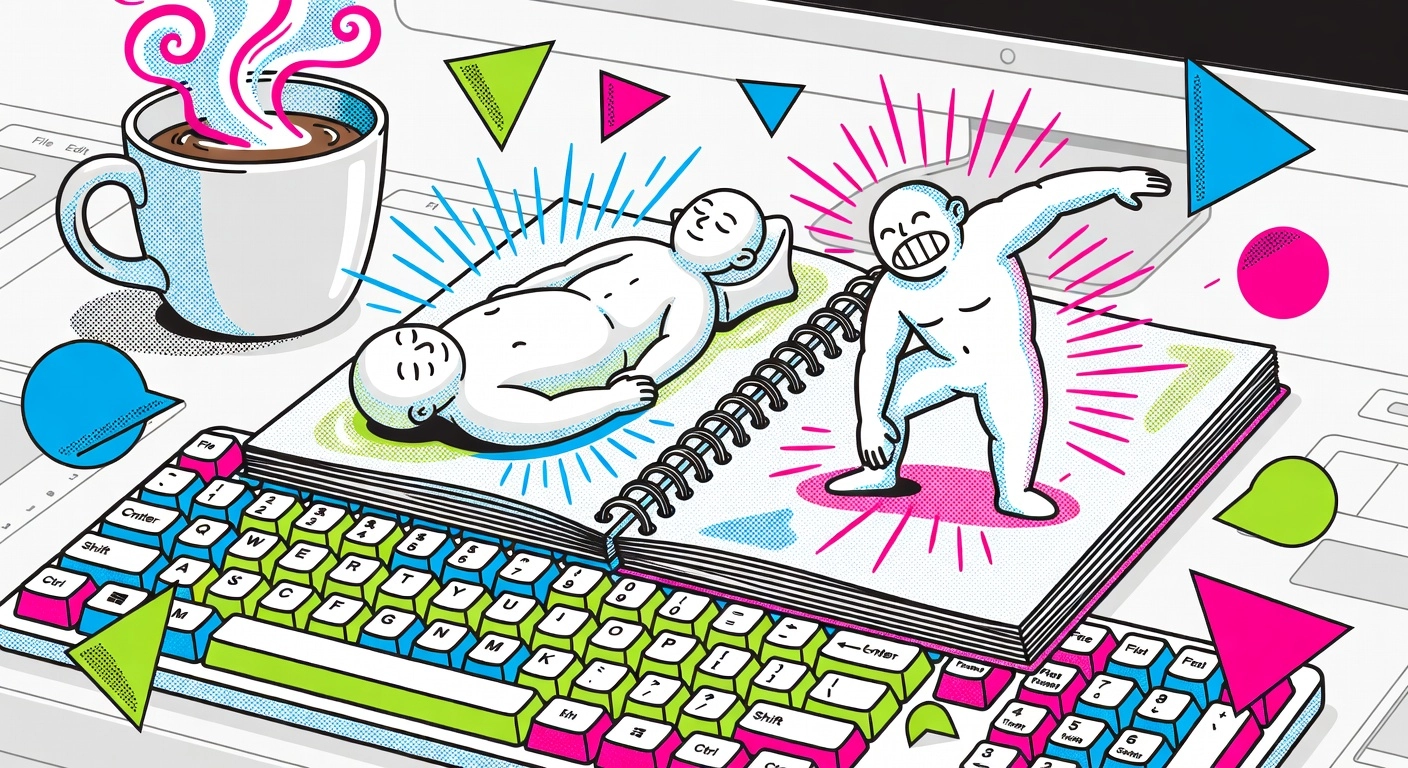
Are you torn between the soothing flow of Swedish massage and the targeted intensity of sports massage? Many active individuals face this dilemma, unsure which therapy best aligns with their recovery needs or relaxation goals. The debate of Swedish massage vs sports massage often boils down to more than preference; it hinges on understanding their distinct purposes, techniques, and outcomes.
Swedish massage, with its long, gliding strokes and gentle kneading, excels at promoting overall relaxation, improving circulation, and easing everyday muscle tension. Sports massage, by contrast, employs deeper, more percussive methods to address specific athletic strains, enhance flexibility, and accelerate injury recovery. These differences extend to session structure, pressure levels, and ideal timing, whether pre-event, post-workout, or routine maintenance.
In this detailed comparison, you will uncover the core techniques of each, their proven benefits backed by therapeutic research, who benefits most, and practical tips for selecting the right one. Armed with this knowledge, you can confidently choose the massage that optimizes your performance and well-being.
What Is Swedish Massage?
Swedish massage is the cornerstone of Western massage therapy, with its primary goal centered on relaxation, stress relief, and overall well-being. It achieves this by promoting blood circulation, gently loosening muscles, and easing tension in superficial layers of muscle and connective tissue. This holistic approach energizes the body while addressing anxiety, low mood, and minor aches, all without causing discomfort. For high-stress individuals, it provides an essential mental and physical unwind, making it perfect for beginners or those new to massage who prioritize comfort over intensity.
The therapy uses light to medium pressure, adjustable to client needs, ensuring accessibility for most people, including first-timers with low pain tolerance. Sessions, typically 30-90 minutes, involve oil or lotion for smooth movements in a calming environment with dim lights and soft music. In 2025, Swedish massage commanded 49.5% market share in spas and salons, underscoring its dominance for general wellness, per Fundamental Business Insights.
Classic techniques deliver a flowing, full-body experience: effleurage (long gliding strokes to warm tissues and boost circulation), petrissage (kneading to release tension), and tapotement (rhythmic tapping to invigorate nerves). Unlike sports massage’s deeper, targeted work for athletes, Swedish offers broad soothing. Consider it post-bodyweight training for recovery without strain; consult a certified therapist for best results. Learn more via WebMD’s guide or Health.com overview.
What Is Sports Massage?
Sports massage is a specialized therapeutic approach designed to enhance athletic performance, prevent injuries, and speed recovery by targeting sport-specific muscles and tension areas prone to overuse. Unlike the relaxation-focused Swedish massage, it addresses the demands of physical activity, such as muscle imbalances in runners’ calves or swimmers’ shoulders, through precise, performance-oriented interventions. This makes it essential for athletes and active individuals pushing their limits in training or competition. Research shows it reduces delayed onset muscle soreness (DOMS) and improves flexibility, with one study finding superior range of motion gains in overhead athletes compared to Swedish techniques A Comparison of Swedish Massage vs. Passive Stretching.
Pressure in sports massage varies from light to deep, adapting to the client’s needs, and often features sustained holds on trigger points to release knots alongside deeper tissue work that breaks down adhesions. It builds on Swedish foundations like effleurage and petrissage but adds advanced methods such as rhythmic compression to boost circulation, assisted stretching for flexibility, muscle energy techniques where clients actively contract against resistance, and tack-and-stretch to mobilize restricted tissues during rehabilitation Sports Massage Techniques Explained.
Sessions are tailored for pre-event warm-up (light, stimulating strokes 24 hours prior to increase blood flow), post-event recovery (flushing lactic acid immediately after), or ongoing training support, perfectly aligning with bodyweight training and one-on-one personal training clients navigating injuries or intensifying workouts.
The sports massage segment is growing fastest at a 9.4% CAGR through 2030, outpacing relaxation types like Swedish amid surging athlete demand, driven by a 20% rise in sports injuries and booming participation in activities like pickleball (Grand View Research) Sports Massage Benefits. For wellness-focused clients in women’s or men’s personal training, integrating bi-weekly sessions can optimize recovery and performance.
Techniques Compared Side by Side
Both Swedish massage and sports massage rely on foundational techniques like effleurage (long, gliding strokes) and petrissage (kneading and squeezing), yet they apply them with distinct intensities and goals. In Swedish massage, effleurage features smooth, flowing movements across the full body to promote relaxation, reduce stress, and enhance circulation, using light to medium pressure ideal for general wellness seekers. Sports massage, however, adapts effleurage for targeted warming of specific limbs or muscle groups, such as quads for runners or shoulders for overhead athletes, incorporating firmer pressure to prepare tissues for activity or aid recovery. Petrissage follows similarly: Swedish employs gentle, rhythmic kneading of superficial muscles to release tension and induce calm, while sports massage uses deeper, stripping kneading to break down adhesions, improve flexibility, and support endurance recovery, as evidenced by a 2020 meta-analysis of 29 RCTs showing significant DOMS reduction (p<0.05) here.
Sports massage introduces unique elements like deep transverse friction (DTF) and cross-fiber work, applying pressure perpendicular to muscle fibers to remodel scar tissue and boost blood flow, crucial for active individuals in bodyweight training or one-on-one sessions. Passive stretching, therapist-guided elongation, further distinguishes it by enhancing range of motion (ROM), outperforming Swedish in overhead athletes per a 2020 study. These target adhesions in sport-specific areas, preventing injuries common in personal training clients.
Side-by-Side Technique Comparison
| Technique | Swedish Application | Sports Application |
|---|---|---|
| Effleurage | Light, full-body gliding for relaxation. | Firmer, targeted limb warming source. |
| Petrissage | Gentle kneading for tension release. | Deep stripping for adhesion breakdown and recovery. |
| Friction | Superficial circular warming. | Deep transverse/cross-fiber for tissue remodeling source. |
| Tapotement | Rhythmic tapping to stimulate nerves. | Limited; replaced by percussive tools/vibration to avoid fatigue source. |
| Stretching | Optional light stretches. | Integrated passive for ROM gains. |
Tapotement remains prominent in Swedish for energizing finishes but sees limited use in sports massage to prevent overstimulation in fatigued athletes; instead, tools like massage guns deliver controlled percussion. For bodyweight trainees or women’s personal training clients, opt for sports massage post-session to accelerate recovery and sustain performance gains.
Pressure Depth and Intensity Breakdown
Swedish massage employs light to medium pressure, using gliding effleurage and gentle kneading to target superficial muscle layers. This approach prioritizes client comfort, avoids pain, and suits general wellness seekers, such as those new to massage or focused on stress relief and circulation. Sessions feel soothing and flowing, typically lasting 60-90 minutes with oil for smooth strokes, making it accessible without post-session soreness. In contrast, sports massage intensifies to medium-to-deep pressure with sustained holds of 30-90 seconds on knots, trigger point therapy, and cross-fiber friction to penetrate deeper into fascia and connective tissue. Intensity varies by athlete needs, incorporating compression and stretching for sport-specific relief from tightness or imbalances.
Research underscores these differences: a 2020 ResearchGate study highlighted sports massage’s edge over Swedish for immediate range of motion gains in overhead athletes, with deep techniques boosting flexibility more effectively. Sports intensity also adapts to training phases, per AMTA Olympic research: lighter, quick strokes pre-event enhance blood flow; deeper work post-event cuts soreness by up to 30%. For intermediate trainees in bodyweight programs like pull-ups or squats, sports massage builds tissue tolerance, flushes metabolic waste, and supports higher volume without strain, amplifying recovery and performance. Consult a therapist to tailor pressure, integrating it 1-2 times monthly alongside one-on-one sessions for optimal results. Explore pressure differences here.
Session Focus and Ideal Candidates
Swedish massage sessions take a holistic approach, enveloping the full body in gentle, flowing strokes to foster broad relaxation and improved circulation. Typically lasting 60-90 minutes, these treatments methodically address the back, neck, shoulders, arms, legs, and feet, allowing time for comprehensive unwinding without rushing. This structure suits those seeking systemic stress relief, as it targets superficial layers to lower cortisol levels and enhance mental clarity. In contrast, sports massage zeroes in on problem areas strained by activity, such as tight legs and calves for runners or shoulders and rotator cuffs for overhead athletes like tennis players. Sessions run 45-75 minutes, often phased for pre-event warm-ups, ongoing maintenance, or post-workout recovery, employing deeper compression and stretching to boost performance and flexibility.
Ideal candidates for Swedish massage include beginners easing into bodywork, stressed professionals juggling desk jobs, or individuals prioritizing mental health amid daily demands. According to the AMTA’s latest consumer report, 1 in 4 women received a massage last year primarily for wellness, highlighting its appeal for general relaxation. Sports massage, however, excels for athletes, active women in personal training programs, those in injury rehabilitation, or expectant mothers adapting bodyweight exercises like squats to manage prenatal discomfort. With 86% of U.S. adults viewing massage as healthcare in 2026 per Massage Therapy Nexus data, sports variants are surging in popularity for seamless recovery integration. For optimal results in bodyweight training or one-on-one sessions, select based on your activity level; pair Swedish for deload weeks and sports for peak training.
| Aspect | Swedish Massage | Sports Massage |
|---|---|---|
| Focus | Full-body holistic | Targeted (e.g., legs for runners) |
| Duration | 60-90 minutes | 45-75 minutes |
| Ideal For | Beginners, stressed pros | Athletes, personal training clients |
Research-Backed Benefits and Stats
Swedish Massage: Circulation, Flexibility, and Stress Relief with Athletic Limitations
Swedish massage excels at boosting circulation through techniques like effleurage, which enhance vasodilation and lymphatic drainage, delivering more oxygen to tissues and aiding general flexibility. Research confirms it reduces cortisol levels, promotes vagal tone for stress reduction, and improves joint range of motion (ROM), such as shoulder flexion, making it ideal for wellness maintenance Swedish Massage Systematic Review. Sessions elevate muscle blood flow and heat, supporting immune function in non-athletes. However, a ResearchGate study on overhead athletes shows it lags behind sports massage for sport-specific ROM, particularly external rotation, due to lighter pressure that fails to address deep adhesions effectively.
Sports Massage: Superior for Soreness Reduction, Recovery, and Performance
Sports massage targets delayed-onset muscle soreness (DOMS) with 10-50% reductions per PMC reviews, while lowering serum creatine kinase and restoring heart rate variability for faster recovery PMC Study on Recovery. AMTA journals highlight performance gains in team and strength sports, with bi-weekly sessions yielding +11.6 points in team metrics and 89% lumbar strength improvements via manual testing. It prevents injuries through trigger point therapy and compression, benefiting 38% of collegiate athletes regularly.
Market Growth and 2026 Trends
The global massage market hits USD 76.6 billion in 2026, surging to USD 133.3 billion by 2036 (CAGR 5.7%) per Future Market Insights, with sports massage leading at 9.4% CAGR due to athletic demand. Trends emphasize tech personalization like AI assessments and wearables, favoring sports massage for endurance and bodyweight training recovery by tailoring to biomechanics and reducing repetitive strain.
Ideal for The McLeod Method Clients
For The McLeod Method’s bodyweight training and private gym clients, sports massage accelerates post-injury returns, aligning with one-on-one sessions for women’s and men’s personal training. Evidence shows quicker conditioning resumption, supporting wellness services in injury rehab. Choose sports massage for performance; pair Swedish for stress balance.
Which Massage Should You Choose?
Choose Swedish for Pure Relaxation
Opt for Swedish massage if your primary aim is a spa-like unwind, stress reduction, or an introduction to bodywork without deep pressure. This modality suits beginners or those with high stress levels, as it uses light to medium gliding strokes to boost circulation and ease superficial tension. Data shows Swedish holds 49.5% market share in 2025, dominating relaxation services in the $76.6 billion global market. For intermediates new to recovery, it lowers cortisol and improves sleep quality, making it ideal before rest days. Avoid it if you need targeted athletic relief.
Opt for Sports Massage if Active
Active trainees, especially in bodyweight exercises, should select sports massage for workout recovery and sports-specific issues like runner’s calf tightness or IT band strain. It applies deeper compression and stretching to reduce soreness and enhance range of motion by 10-20%, per studies on overhead athletes. With a 9.4% CAGR through 2030, this segment surges among 80% of fitness participants. Post-session, clients report faster lactic acid clearance, cutting injury risk during one-on-one training.
Hybrid Approach for Intermediates
Intermediates building performance resilience benefit from starting with Swedish monthly for nervous system reset, then advancing to sports massage biweekly. This progression combines holistic relaxation with targeted rehab, reducing soreness faster than single modalities, as meta-analyses confirm. It aligns with bodyweight training demands at The McLeod Method.
Bundles and Personalization Factors
Pair sports massage with The McLeod Method’s one-on-one bodyweight sessions in private gyms for optimal results, addressing injuries while enhancing women’s or men’s personal training. Consult a therapist for personalization based on fitness level and goals. Align with 2026 recovery trends like integrated wellness, where sports modalities grow amid AI-tailored plans. sports vs Swedish massage guide
Enhance Your Training with Sports Massage
Sports massage elevates bodyweight training by precisely targeting muscular imbalances that arise during women’s or men’s personal training sessions. Repetitive movements like squats or pull-ups often tighten hips in women or overdevelop upper bodies in men, leading to asymmetry and reduced efficiency. Unlike the holistic relaxation of Swedish massage, sports massage employs deep tissue techniques and muscle energy methods to restore balance, improve posture, and enhance movement quality. A 2025 review confirms it boosts circulation and flexibility, slashing injury risk by up to 25% in functional trainees.
For private gym clients on the Sunshine Coast or Canberra, sports massage is essential for injury prevention and rehabilitation. It accelerates tissue repair post one-on-one sessions, with studies showing reduced soreness and 13% less delayed onset muscle soreness compared to lighter modalities. Overhead athletes, such as those incorporating presses into bodyweight circuits, regain range of motion faster; a key RCT found sports massage improved shoulder internal rotation by over 5 degrees immediately, outperforming passive stretching and enabling quicker workout progression.
Book a 60-minute trigger point session today to release knots, flush toxins, and unlock performance gains, ideal after intense private gym work. Pair it with wellness service bundles for holistic recovery, integrating mindfulness and nutrition to sustain your fitness journey long-term. Clients report 40% faster sprint improvements with bi-weekly integration.
Conclusion: Actionable Takeaways
Swedish massage shines for profound relaxation and stress relief, ideal for unwinding after daily demands. In contrast, sports massage leads in athletic recovery and performance enhancement, with the segment boasting a robust 9.4% CAGR through 2030, outpacing relaxation modalities.
Assess your goals: choose Swedish for pure de-stressing, but prioritize sports massage if rehabbing or training intensely with bodyweight methods like squats and pull-ups common in women’s or men’s personal training. Research underscores sports massage’s edge, improving range of motion (ROM) in overhead athletes over Swedish and slashing soreness by targeting trigger points, per studies on athletic recovery.
Action Steps:
- Evaluate muscle tightness from workouts.
- Book a sports massage trial session.
- Integrate it with one-on-one personal training.
- Track recovery metrics like soreness levels.
- Contact The McLeod Method for tailored sports massage and private gym sessions.
Elevate your 2026 wellness by blending sports massage with tech personalization trends, like AI-driven assessments, for peak bodyweight training results.
4 thoughts on “Swedish Massage vs Sports Massage: Key Differences”