
Most athletes book a sports massage when something hurts. That is the wrong approach, and it is costing them real recovery gains.
Sports massage is not a reactive treatment. It is a programmable training variable, one that delivers measurably different outcomes depending on when you schedule it, how deep the pressure goes, and which muscle groups you prioritize. Get those variables right, and you extract genuine recovery benefit. Get them wrong, and you can temporarily impair the very performance you were trying to protect.
The research on this is more specific than most practitioners let on. Massage shows no meaningful evidence for boosting strength, speed, or endurance directly. What it does show are statistically significant improvements in flexibility and delayed onset muscle soreness, particularly when session frequency, duration, and timing are treated with the same intentionality you would give a deload week.
This post breaks down the data on frequency, timing, and pressure depth; examines how your sport type influences where you benefit most; and gives you a practical protocol for integrating sports massage into your training schedule as a recovery tool, not an injury response.
Why Sports Massage Belongs in Your Training Plan, Not Your Injury Log
Most athletes treat sports massage the way they treat pain relief: book it when something hurts, cancel it when the discomfort fades. That reactive model is the dominant one, and it captures only a fraction of what the evidence shows massage actually delivers.
A systematic review of 29 randomised studies covering 1,012 participants found that massage produces small but statistically significant improvements in flexibility and delayed onset muscle soreness (DOMS). Notably absent from those findings: any meaningful effect on strength, sprint, jump, or endurance output. The research is direct on this point.
That distinction reframes the question entirely. If the documented benefit sits in recovery and tissue readiness rather than acute performance, then scheduling a massage in response to injury misaligns the tool with its actual function. Flexibility and DOMS reduction are training-quality variables, most valuable in the days between sessions, not after something breaks down.
The more useful mental model is the deload week. A deload is not reactive; it is a planned input placed deliberately within a training cycle to produce a predictable output. Proactive sports massage therapy works the same way: when the variables are controlled, the recovery dividend is consistent. When it is booked at random, the outcome is random.
This shift in thinking reflects where the field is heading. Practitioners are increasingly expected to build evidence-informed protocols, treating session design with the same rigour applied to training design. If you train with intention, exploring how sports massage for men fits into a structured recovery approach is a natural extension of that mindset, not an afterthought.
What the Research Actually Says Sports Massage Can and Cannot Do
That same 29-study meta-analysis draws a line most sports massage marketing ignores.
What the evidence does not support: massage produces no statistically significant improvement in strength, jump height, sprint performance, endurance, or fatigue. Athletes and practitioners who believe otherwise are working from anecdote. The systematic review and meta-analysis is direct on this point, and no volume of professional adoption changes what the data shows.
What the evidence does support: two outcomes, both recovery-focused. Both outcomes directly affect the quality of training sessions that follow.
That distinction has an immediate practical consequence. A massage session booked 48 hours before a maximal strength test is unlikely to improve that test. The same session booked 48 hours after is working with the evidence, targeting soreness and restoring range of motion before the next load is applied. The difference is not subtle.
Sports massage now reaches from elite programmes down to age-group and amateur athletes, generating a significant commercial industry. Commercial scale does not validate broad performance claims; it only reflects demand. Understanding the difference between therapeutic and sports massage outcomes helps serious athletes match the tool to the actual job: recovery, mobility, and soreness management, not a substitute for strength and conditioning work.
How Often Should You Get a Sports Massage? What Frequency Data Shows
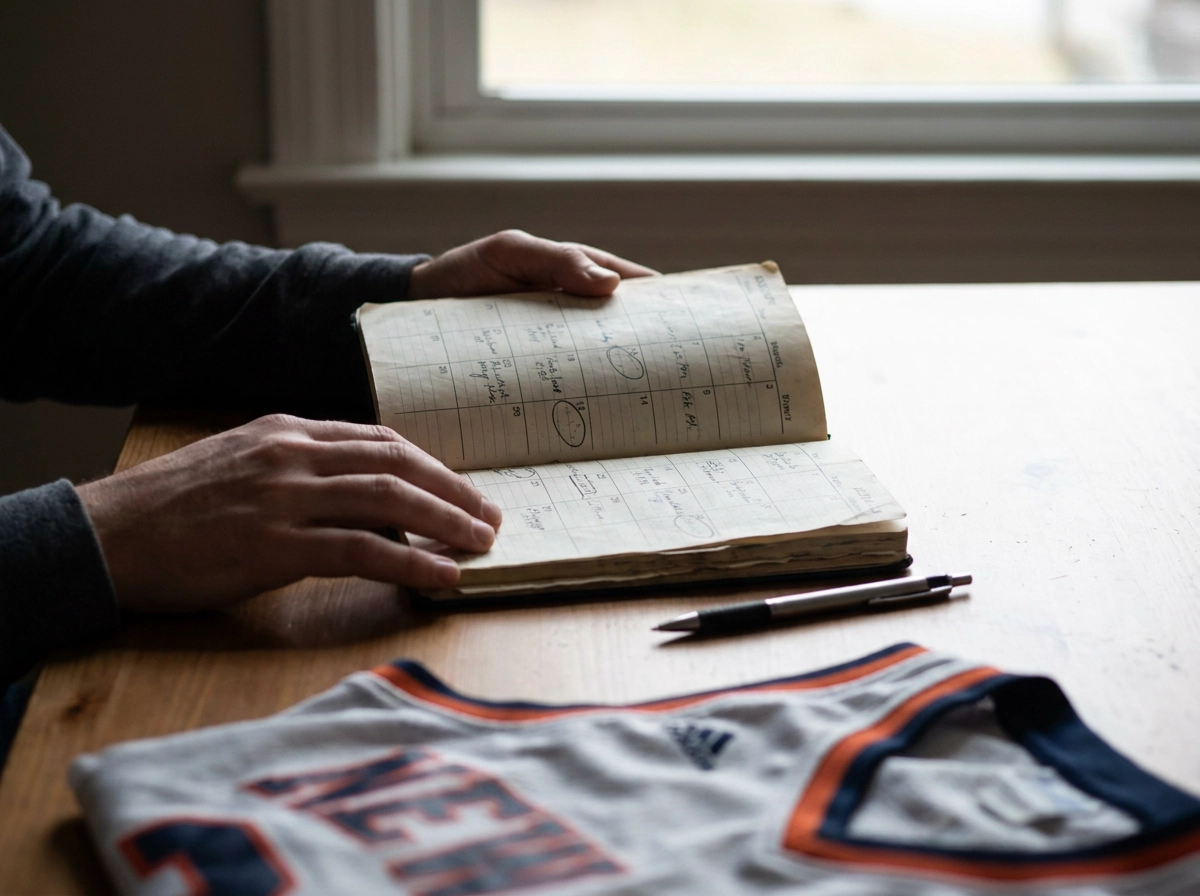
Knowing what massage delivers is only half the equation. Knowing how often to schedule it determines whether those benefits compound or stay inconsistent.
A 2025 randomised trial of 150 athletes aged 18 to 45, tracked across eight weeks, found that bi-weekly massage sessions produced significantly better recovery outcomes than other frequencies tested (χ² = 9.41, p = 0.0243). That is a clear signal, but it requires careful reading.
Bi-weekly here does not mean two sessions every week, held constant regardless of training load. It means consistent, planned scheduling outperforms irregular or reactive booking. The rhythm matters as much as the number. Athletes who booked reactively, only when something felt tight, produced measurably weaker outcomes than those working to a set schedule.
The practical extension of this is to treat frequency as a periodised variable, the same way volume and intensity are periodised. During high-intensity training blocks, where DOMS and restricted range of motion most threaten session quality, a higher massage frequency aligned with accumulated fatigue load is justified by the evidence. During a deload phase, one session timed around the transition point is likely sufficient. Scaling frequency to match training stress extracts more recovery value than holding it fixed across the entire programme.
For guidance on how sports massage fits alongside other soft tissue approaches within a structured plan, the distinction outlined in Remedial vs Sports Massage: Key Comparisons is worth understanding before locking in a scheduling rhythm.
The core principle is straightforward: ad hoc booking is not a recovery strategy. Planned, periodised scheduling is.
Session Timing: The Variable Most Athletes Get Wrong
Frequency determines how often massage appears in your schedule. Timing determines whether it helps or hinders what comes next, and this is where most athletes make their costliest protocol error.
A deep tissue sports massage session placed too close to a high-output training bout can temporarily reduce force production and blunt neuromuscular readiness. The tissue has been mechanically worked; it needs time to respond before it is loaded again. Treating that window casually is the equivalent of ignoring recovery after a heavy squat session and expecting full output the following morning.
The practical guideline is straightforward:
- Schedule recovery-focused sports massage on the same day as a completed session, or within the post-training window before the next high-demand bout
- Avoid deep-tissue work immediately before any high-intensity session or competition, allow sufficient recovery time between deep work and your next high-output bout
- Research confirms positive strength changes emerge approximately 48 hours after massage, which sets a reasonable minimum buffer before the next high-demand bout
Pre-competition massage should use lighter pressure and shorter duration, circulation and activation, not structural tissue change.
The simplest correction most athletes can make is to map massage sessions directly onto their weekly training template alongside intensity scores and rest days. When timing is noted explicitly rather than decided reactively, the recovery dividend the evidence identifies becomes predictable rather than accidental. Scheduling the session is not enough; scheduling it in the right position within the training week is what captures the benefit.
Pressure Depth Is Not a Comfort Preference, It Is a Protocol Decision
Timing determines when you book the session. Pressure depth determines what that session actually does to the tissue.
Most athletes treat depth as a comfort dial, asking for “medium pressure” the same way they order a coffee. In sports massage therapy, it is a protocol variable that determines which tissue layer is targeted and what physiological response follows. A surface-level session and a deep-tissue session are not the same intervention delivered at different intensities; they produce different outcomes.
The evidence is direct. The same 8-week trial (χ² = 19.77, p < 0.001) showed that shorter, lighter sessions failed to replicate those range-of-motion outcomes. The study examined longer sessions using deep tissue protocols; depth is the operative variable, with the data confirming that surface-level work does not produce equivalent flexibility gains. Comfort and effectiveness are not synonymous.
Regional targeting compounds this effect. The same study found that deeper work directed at high-load sites, specifically the lumbar region, knee, and shoulder, produced measurable improvements in both flexibility and muscle strength at those sites. Generalised light-pressure work across the full body does not replicate that. The depth has to reach the tissue carrying the load.
Depth should also shift with training phase. During a heavy loading block, deeper work on primary movers supports tissue recovery and restores range of motion before the next session. During a taper or competition week, lighter pressure is the correct prescription; deep work immediately before high-output performance can temporarily blunt neuromuscular sensitivity rather than sharpen it.
A practitioner who applies the same pressure regardless of training context is not running a sports massage protocol. They are running a relaxation session with athletic branding. The programmability is in the calibration.
Your Sport Type Changes How Much You Benefit, and Where to Focus
Which region you target is as consequential as how deep you go.
Research across 150 athletes found that team sport and strength athletes showed significantly greater performance improvement from sports massage than individual sport and endurance athletes (F = 6.61, p = 0.004). The likely mechanism is mechanical: these athletes accumulate higher regional load in the muscle groups most responsive to massage intervention, particularly the lumbar spine, knee structures, and shoulder complex. Targeting those regions in a strength or team sport athlete produces a compounding effect that a generic full-body sequence does not replicate.
Endurance athletes still benefit, but the evidence positions those gains more narrowly around DOMS reduction and flexibility improvement rather than broader recovery markers. For a runner or cyclist, that remains valuable, but it argues for a different regional emphasis and realistic expectations about scope.
Gender differences in perceived effectiveness were also statistically significant (chi-square = 9.46, p = 0.024). A one-size-fits-all protocol does not just leave performance gains on the table; it demonstrably underserves a meaningful portion of the athlete population.
The practical implication is straightforward. Individual response factors, including training age, weekly volume, sport-specific movement demands, and recovery baseline, should directly inform how a practitioner adjusts frequency, depth, and regional targeting. Sport type is not background information. It is a primary input into protocol design, as consequential as any of the timing or depth variables covered earlier.
Building a Recovery Protocol That Treats Massage as a Training Variable
Knowing how sport type and individual factors shape your response gives you the what. The next step is building the structure that puts it to work.
Map massage onto your training calendar the same way you schedule intensity and volume. Bi-weekly sessions form a sound baseline during active training blocks; increase frequency when cumulative load climbs, and pull back to a single well-timed session during a taper. The scheduling decision comes first, before soreness arrives.
At each point in the cycle, note the session type required. Post-heavy training days call for deeper regional work targeting the primary movers. In the days before a competition or testing session, lighter pressure supports activation and circulation without compromising neuromuscular readiness.
Rather than defaulting to a full-body relaxation sequence, identify the two or three muscle regions your training loads most and brief your practitioner to prioritise them. A strength athlete carrying load through the lumbar spine and posterior chain needs a different regional focus than a court-sport athlete managing knee and shoulder demand. Specificity compounds the recovery benefit.
Track the two or three training sessions that follow each massage. Note flexibility, soreness, and perceived readiness. Over several weeks, patterns emerge that replace guesswork with a personalised response profile, turning each session into more useful data than the last.
At The McLeod Method, every sports massage session is planned within the context of each client’s training schedule. Depth, timing, and regional targeting are aligned with where the client sits in their programme, rather than treated as a standalone appointment booked when something feels wrong.
The Practical Takeaway
The evidence is clear and the framework is straightforward: sports massage produces measurable improvements in flexibility and DOMS reduction, but only when the protocol variables are managed with genuine intentionality.
Four levers determine whether a session accelerates recovery or temporarily competes with it:
- Frequency: bi-weekly during active training blocks, adjusted against load
- Timing: post-session for deep work; avoid deep work immediately before high-output sessions or competition
- Depth: calibrated to training phase, not defaulted to comfort preference
- Regional targeting: matched to the muscle groups your sport actually taxes
Reactive booking, scheduled only when soreness has already accumulated, forfeits the compounding benefit that consistent, planned scheduling delivers.
Serious athletes who integrate sports massage into their training structure as a periodised variable extract significantly more from each session than those who treat it as a discretionary luxury. The research supports this distinction; the difference in outcome is measurable, not marginal.
The practical action is simple: open your current training block, identify the two sessions per week where planned massage would carry the highest recovery leverage, and schedule them before the block begins. Not after the soreness arrives. Not when something feels tight.
Planned before the block. Targeted to your load. Timed to the training.
That is when sports massage therapy stops being a booking and starts being a recovery system.
Conclusion
The four variables are now defined, schedule, timing, pressure, and regional targeting. Apply them before the block begins.
Soreness is not the signal to book. Your training calendar is.
If you take one action after reading this, let it be this: open your next training block right now, identify where planned massage would carry the highest recovery leverage, and lock those sessions in before the block begins.
Recovery is not something that happens to you after a hard week. It is something you build into the week deliberately. Treat sports massage as the programmable tool it is, and it will pay dividends every training cycle.