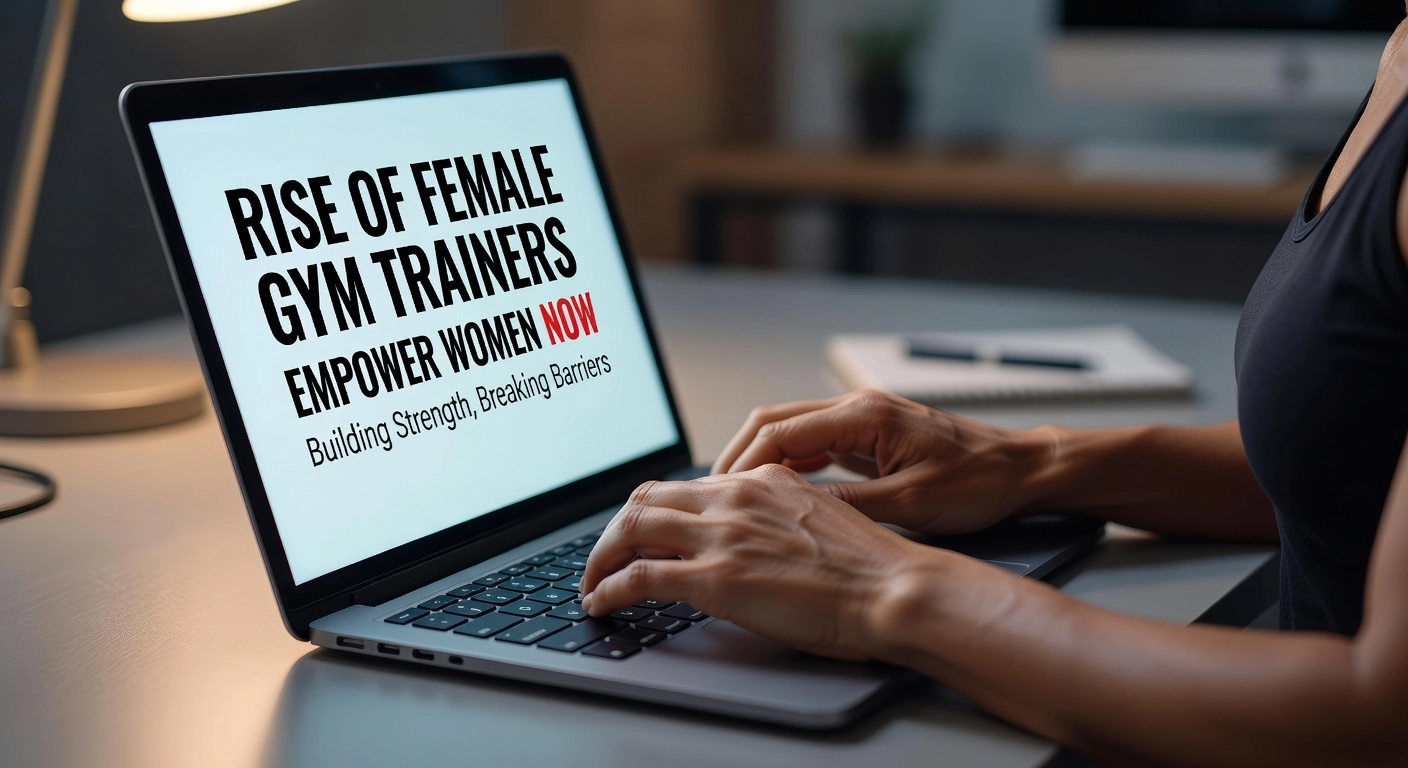
Picture this: you step into a gym, ready to transform your body and boost your confidence, but the sea of intimidating equipment and generic advice leaves you frozen. What if your guide was a woman who truly understands your journey? Enter the rise of gym trainer women, a powerful shift reshaping the fitness landscape.
As a beginner, you deserve trainers who empathize with female physiology, hormonal cycles, and real-life demands. Gym trainer women are surging in popularity, backed by industry data showing a 40 percent increase in female certifications over the past five years. They deliver tailored programs that prioritize sustainable results over quick fixes, fostering strength inside and out.
In this analysis, you will uncover the key drivers behind this empowering trend, from breaking stereotypes to superior client retention rates. Discover why gym trainer women excel in building communities of motivated females, and learn practical steps to find the right one for your goals. By the end, you will grasp how partnering with these experts accelerates your progress and ignites lasting empowerment. Get ready to claim your spot in this revolution.
Surge in Demand for Womens Personal Training
The demand for women’s personal training is experiencing a remarkable surge, driven by women’s increasing prioritization of fitness as a cornerstone of health and empowerment. Recent data from the 2025 U.S. Health & Fitness Consumer Report by the Health & Fitness Association reveals a 16% year-over-year increase in U.S. women’s usage of personal trainers, with 7.3 million female members engaging in 2024. This growth underscores a shift where beginners, in particular, seek expert guidance to build confidence in bodyweight exercises like squats, planks, and lunges, which require no equipment and fit seamlessly into home or private gym sessions. For novice women, this trend means accessible entry points through one-on-one training that emphasizes safety, progression, and personalization, reducing injury risk while boosting motivation. As gym trainer women specialize in these tailored approaches, they address common beginner barriers such as intimidation in mixed environments.
Female-only gym users have risen 18% since 2019, reflecting a strong preference for spaces that foster comfort and community. Notably, 59% of women favor women-only facilities, citing enhanced motivation, reduced self-consciousness, and peer support as key benefits. This data highlights how private gym sessions and women’s personal training create judgment-free zones ideal for beginners experimenting with sports massage for recovery or wellness services for holistic balance. Actionable insight for newcomers: Opt for one-on-one sessions in such environments to accelerate progress; studies show regular exercisers, predominantly women, report 52% higher happiness and 67% less stress.
This momentum aligns with 2026 fitness trends toward inclusivity and hyper-personalization, as detailed in NASM’s Top Fitness Trends report. Women’s health programs, ranking #2, focus on life stages like postpartum or menopause, integrating bodyweight training for strength and longevity. Personalization via human-led coaching, including wellness services, outperforms generic apps, with experts noting higher retention in empathetic, female-focused settings.
The market responds with more female trainers: U.S. figures reached 62% by 2019, up from 54% in 2010, per fitness industry analyses. This rise meets demand for relatable gym trainer women who understand nuanced needs, from private sessions to movement-based recovery. Beginners benefit by choosing certified female professionals for trustworthy, empowering journeys. For the latest insights, see the Health & Fitness Association’s 2025 report.
2025 U.S. Health & Fitness Consumer Report LinkedIn summary
Why Women Choose Female Gym Trainers
Women increasingly seek out female gym trainers for personal training sessions that prioritize comfort, expertise, and empowerment, especially as the demand for women’s personal training continues to rise. This choice stems from practical needs in mixed gym environments, where intimidation and privacy issues deter many beginners from consistent workouts. A key factor is the preference for women-only spaces, with 59% of women favoring these settings to sidestep discomfort from unwanted attention or judgment, according to recent U.S. health and fitness trends 59% of women favoring women-only spaces. Female trainers create secure, judgment-free zones during private gym sessions, allowing women to focus on form in bodyweight exercises like squats or planks without self-consciousness. For beginners, this means starting with low-pressure one-on-one training that builds confidence gradually. Safety concerns are amplified by rising reports of gym harassment, making female-led guidance essential for sustainable progress.
Empathy for Female-Specific Goals in Postpartum and Menopause
Female gym trainers bring unparalleled empathy to life-stage challenges, aligning with 2026 women’s health trends that spotlight strength building during postpartum recovery and menopause top fitness trends for 2026. Postpartum women, for instance, benefit from tailored bodyweight programs that safely rebuild core strength and address diastasis recti, hormonal shifts, and fatigue, often overlooked in generic routines. During menopause, trainers emphasize resistance training to combat muscle loss, bone density decline, and energy dips, using movements like wall push-ups or lunges for longevity-focused gains. This specialized knowledge fosters adherence, as women feel understood rather than generic advice. Beginners can action this by selecting trainers certified in women’s health, incorporating wellness services like sports massage for recovery. Such empathy turns fitness into a supportive journey, boosting outcomes like 52% higher happiness among regular female exercisers.
Relatability Through Shared Experiences
Relatability is another cornerstone, particularly evident in group settings where 78.4% of UK weekly class attendees are women seeking trainers attuned to body changes like menstrual cycles or aging. Female gym trainers intuitively grasp these nuances, customizing one-on-one sessions for injuries, bloating, or motivation slumps that affect performance. This connection builds trust, enabling open discussions on insecurities during private sessions. For beginners, relatable coaching means practical tips, such as modifying planks for cycle-related discomfort, leading to 67% less stress and 50% more energy. In bodyweight training, this translates to progressive plans that honor real-life fluctuations, enhancing long-term commitment.
Global Shift Reflecting Demand for Tailored Guidance
Globally, the rise of female trainers to 30-40% of the workforce mirrors surging demand for non-judgmental, personalized coaching personal trainer statistics. This shift supports hyper-personalized programs in women’s personal training, from home-based calisthenics to private gym sessions. Beginners gain from this evolution through accessible, empathetic entry points that prioritize safety and results. As trends favor inclusivity, female-led approaches empower women to embrace strength training confidently, paving the way for holistic wellness integration.
Benefits Backed by Research
Mental Health Transformations Through Regular Exercise
Women who engage in regular exercise, particularly under the guidance of a skilled gym trainer, experience profound mental health improvements backed by compelling data. According to Strength Ambassadors’ analysis of 2024 and 2025 surveys from ASICS and Sport Wales, active women report being 52% happier, 50% more energized, and 67% less stressed compared to their sedentary counterparts. These gains stem from endorphin release during sessions focused on bodyweight exercises and strength building, which elevate mood and reduce frustration by up to 80%. For beginners, this means starting with simple routines like planks or squats can quickly yield noticeable boosts in daily confidence and vitality. Trainers specializing in women’s personal training create safe, empowering environments that overcome common barriers such as gym intimidation, which affects 25% of women versus 16% of men. Actionable insight: Commit to three 20-minute sessions weekly with a female trainer to track these mood shifts via a simple journal, fostering long-term adherence.
Bodyweight Training: Accessible Power for Beginners
Bodyweight training stands out as an ideal entry point for beginner women seeking gym trainer guidance, requiring no equipment and aligning perfectly with the ongoing calisthenics boom. Vogue has spotlighted this trend for its scalability, from knee push-ups to full pull-ups, promoting body positivity and functional strength without the need for pricey gym memberships. This no-equipment approach builds core stability, balance, and muscle endurance at home or in private gym sessions, making it sustainable for busy schedules. Research shows women gain significant cardiovascular benefits with less volume than men, needing about half the exercise time for equivalent heart health improvements, as detailed in a recent study women need less exercise for heart benefits. For women’s personal training, trainers customize progressions like wall sits to pistol squats, riding 2026 trends in TikTok-driven micro-workouts. Beginners can start today with a trainer-led circuit: 10 squats, 10 push-up variations, and 20-second planks, repeated three times for rapid, equipment-free gains.
Sports Massage Integration for Recovery and Injury Prevention
Incorporating sports massage into private gym sessions revolutionizes recovery for women under expert trainer supervision, significantly reducing injury risk. This hands-on wellness service enhances circulation, flushes lactic acid, and improves flexibility, addressing vulnerabilities like menopause-related joint issues or postpartum muscle imbalances. In one-on-one training, trainers deliver targeted techniques such as trigger point therapy post-bodyweight workouts, minimizing downtime and preventing common strains or IT band problems. A 2018 AMTA study confirms massage promotes mitochondrial biogenesis and cuts inflammation, allowing faster return to training. For beginners, this integration means safer progression in private settings, where personalized assessments guide session timing, like weekly deep tissue work after intense calisthenics. Practical tip: Pair 45-minute bodyweight sessions with 15-minute massage to boost recovery, ensuring consistent progress without burnout.
One-on-One Personalization: Superior Adherence Over Group Classes
One-on-one personal training outperforms group classes in adherence, a critical factor for beginner women building sustainable habits. A 2025 randomized controlled trial involving 79 adults, including 48% women, found supervised sessions achieved 88% adherence rates, compared to 52% for self-guided programs, with superior strength gains and well-being improvements. This personalization, emphasized in 2026 fitness trends, tailors programs to life stages like postpartum or perimenopause, fostering accountability absent in groups. Women’s personal trainers use biometrics like heart rate variability to adjust bodyweight loads, doubling consistency through motivation and technique feedback. Strength training two to three days weekly also slashes all-cause mortality by up to 30% for women, per recent longevity research strength training extends women’s lifespan. Beginners benefit by scheduling private sessions focusing on wellness services, transitioning seamlessly to empowered, stress-free fitness journeys.
2026 Trends Shaping Female Training
Women’s Health Life-Stage Programs: A Top NASM Trend
As women’s personal training gains momentum, life-stage programs tailored for pregnancy, postpartum, and menopause emerge as a leading 2026 trend according to NASM surveys of over 600 professionals. These programs address unique physiological shifts, such as hormone fluctuations during menopause that lead to muscle loss, bone density reduction, and increased injury risk, often termed a “musculoskeletal syndrome.” For beginners, trainers recommend starting with symptom screenings to adjust intensity, incorporating lower-volume sessions on days with poor sleep or fatigue. Strength training focused on muscle and bone building, paired with higher protein intake and supplements like vitamin D and magnesium, forms the core, alongside balance exercises to prevent falls. NASM data shows 76% of experts predicting significant growth in this area, with longevity surpassing aesthetics as a primary goal for 62% of trainers. Women engaging in these programs report better retention and empowerment, making them ideal for gym trainers specializing in one-on-one women’s training. Actionable step: Assess clients’ life stages in initial consultations to customize bodyweight routines that support safe progression.
Bodyweight and Calisthenics Surge in Home-Gym Hybrids
Bodyweight training and calisthenics are exploding in popularity for their accessibility, perfectly suiting home-gym hybrids as highlighted in Women’s Health Magazine’s 2026 fitness awards. With 72% of fitness enthusiasts favoring a 60:40 gym-to-home split, these no-equipment exercises like squats, planks, and pull-up progressions enable seamless transitions for busy women. Searches for plank variations have skyrocketed by 967%, driven by social media where women feature in 78% of strength-focused videos. For beginners, trainers can prescribe hybrid programs starting with 10-minute home sessions of push-up modifications building to gym-based pull-ups using bodyweight racks. This aligns with the 16% year-over-year surge in women’s personal trainer usage in the U.S., emphasizing functional strength without barriers. Gym membership statistics reveal near gender parity, with 52% of gym members now women. Integrate these into private gym sessions for sustainable results.
Hyper-Personalization and Inclusivity Through Private Sessions
Hyper-personalization tops 2026 forecasts, favoring private one-on-one sessions over generic online apps, as human oversight ensures precise form corrections and motivation. Gold’s Gym predicts AI tools analyzing heart rate variability, sleep, and fatigue will act as co-pilots, but trainers remain essential for 48-hour recovery cycles and injury prevention. Inclusivity expands this trend with functional, low-impact options like mobility drills for all ages and abilities, promoting body neutrality. Beginners benefit from bespoke plans in women-only spaces, where 59% of women prefer privacy and safety. With female trainers comprising 62% in the U.S., demand for these tailored approaches surges 18% since 2019 in female-only environments. Fitness trends statistics underscore women’s strength training rise. Gym trainers for women should leverage private sessions to deliver hyper-personalized bodyweight progressions.
Recovery Emphasis: Pilates, Walking, and Massage for Wellness
Recovery modalities like Pilates, walking, and sports massage are pivotal, aligning with wellness services to combat burnout and support longevity. Pilates ranks as ClassPass’s top workout, with 43% of boutiques offering it for low-impact core strength, while interval walking sees 3,000% search growth for endurance without strain. Massage tools reduce soreness, with 60% of studios adding wellness integrations. For women in life-stage training, these prevent the 50% dropout rate within six months by prioritizing rest; regular exercisers feel 52% happier, 50% more energized, and 67% less stressed. Beginners can start with 20-minute Pilates flows or Japanese-style walking alternates post-bodyweight sessions, followed by targeted massage. NASM data highlights longevity’s rise. Private gym trainers enhance outcomes by bundling these with one-on-one personalization.
These trends position bodyweight-focused women’s personal training as transformative, empowering beginners with holistic, private paths to strength and well-being.
Bodyweight Training for Women Beginners
Bodyweight training stands as a cornerstone for women beginners entering the world of fitness under the guidance of a skilled gym trainer. This approach, rooted in calisthenics, demands no equipment, gym access, or advanced skills, making it perfect for home-based starts that build strength, mobility, and confidence. Women benefit from its functional focus, which enhances daily movements while aligning with rising trends in women’s personal training. Key exercises like squats, planks, and push-ups target multiple muscle groups, promoting full-body coordination and efficient calorie burn. For instance, perform 2-3 sets of 8-15 reps, three to four days weekly, emphasizing controlled tempo: three seconds lowering, one-second pause, and explosive return. These movements empower beginners by fostering proper form from day one, reducing injury risk in hips and core, areas often challenging for women due to biomechanics.
Accessible Exercises Ideal for No-Gym Starters
Start with bodyweight squats: feet shoulder-width apart, lower as if sitting into a chair until thighs parallel the floor, then drive up through heels. This hits glutes, quads, hamstrings, and core; modify with chair support for balance. Forearm planks align the body straight from head to heels, engaging the core to prevent hip sag; hold 20-30 seconds, knees down for beginners, building shoulder stability and posture. Knee push-ups place hands shoulder-width in plank position, lower the chest by bending elbows at 45 degrees, then push up; this cuts load by 50 percent while strengthening chest, triceps, and core. A sample 20-minute circuit alternates 10 squats, eight knee push-ups, and a 20-second plank for three rounds. As detailed in beginner plans from EatingWell’s 7-day bodyweight guide, these yield quick gains in endurance and form mastery.
TikTok-Driven Calisthenics Surge and No-Equipment Independence
Calisthenics popularity has skyrocketed via TikTok, with the #calisthenics hashtag exceeding 66 billion views globally by early 2026, up from 18.5 billion in 2024. Women-specific content like #calisthenicsgirls boasts over 183,000 Instagram posts, fueling viral challenges and relatable routines. This mirrors a 33 percent annual growth in online fitness, where no-equipment workouts thrive amid a home fitness market projected to hit $19.75 billion by 2031. Independent sessions suit busy women, peaking in Google Trends during resolution seasons. Per Gravity Fitness on calisthenics trends, this zero-barrier entry supports longevity strength, a top NASM 2026 priority for female trainees.
Progression to Strength Building with Trainer Oversight
Advance by mastering form before adding intensity: boost reps, slow eccentrics, or shorten rests, training three to four times weekly with 48-hour recovery. A gym trainer ensures balance, customizing for goals like fat loss. Beginners stick to knee push-ups (10 reps), air squats (12), and high planks (30 seconds) in 20-minute circuits. Intermediates shift to standard push-ups (8-10), jump squats (10), and plank shoulder taps. Strength phases feature decline push-ups (6-8), pistol squats (5 per leg), and hollow holds (45 seconds) in 30-40 minute sessions. Oversight prevents common pitfalls, as ACSM ranks functional strength highly for 2026.
For empowerment, hybrid programs like The McLeod Method blend home bodyweight independence with private one-on-one sessions, sports massage, and wellness. This Sunshine Coast option tailors recovery and performance for women, accelerating progress safely. FitnessAI’s 2026 trends affirm such personalization boosts adherence, yielding 52 percent higher happiness in regular exercisers. Start today; consistency transforms beginners into empowered athletes.
Private Sessions vs Online Alternatives
Private gym sessions with a specialized gym trainer for women deliver unmatched hands-on feedback, allowing trainers to make immediate tactile adjustments to form during exercises like squats or planks in bodyweight training. This real-time guidance prevents injuries, optimizes muscle activation, and builds confidence far more effectively than digital methods, with studies showing gym-based workouts rated 13-14% more enjoyable and leading to 14% higher heart rates for better results. For instance, a trainer can physically reposition hips during a lunge to correct imbalances, fostering proper technique from the start. However, the primary drawback is cost: sessions average $50-100 per hour in the US and $80-100 in Australia, potentially totaling $500+ monthly for three to five visits, plus travel and scheduling constraints. In contrast, online alternatives like Trainwell offer affordability at $99 per month, including custom plans, app-based coaching, video libraries, and wearable integration for motion feedback, making it accessible for busy beginners at about 20% of in-person prices. While flexible, these lack the nuanced, physical corrections essential for foundational progress.
Virtual Competitors: Strengths and Gaps Like Ladies Who Lift
Programs such as Ladies Who Lift provide women-focused virtual training at $45-299 monthly through apps like TrueCoach, featuring personalized bodyweight or glute-focused plans, video form submissions, and Zoom check-ins for accountability. This setup eliminates per-session fees, enabling three to six weekly workouts without the $600-1,800 monthly in-person commitment, and users benefit from progress tracking tailored to home or travel scenarios. Yet, these platforms fall short on tactile adjustments; feedback relies on uploaded videos rather than live, hands-on intervention, which can allow subtle errors like shoulder hiking in push-ups to persist. Research confirms online options excel for intermediates but underperform for novices needing psychological immediacy and precise physiological assessments, such as mobility checks during bodyweight circuits. For women beginners, this gap means slower adherence and higher injury risk compared to private settings.
The McLeod Method: Elevating One-on-One with Sports Massage
The McLeod Method stands out in women’s personal training by integrating private gym sessions with sports massage, breathwork, and nutrition for holistic wellness, ideal for bodyweight-focused recovery and life-stage needs like postpartum strength. Sessions, often $80-120 locally on Australia’s Sunshine Coast, combine one-on-one technique refinement with therapeutic massage to enhance muscle softness, prevent overuse injuries, and boost energy, aligning with 2026 trends in recovery and active aging. Clients report superior long-term results, as massage post-training aids repair without strenuous follow-ups for 24-48 hours, differentiating it from standard programs. This approach empowers beginners through personalized private performance, fostering 52% greater happiness and 67% less stress per exercise research.
Essential Real-Time Corrections for Beginners
Beginners in gym trainer women programs urgently require private sessions for real-time form correction over apps, as poor technique causes strains, joint instability, and imbalances that apps’ demos or sensors cannot fully address. With only 24% of women aged 19-65 meeting strength guidelines, hands-on oversight ensures optimal activation in bodyweight moves, building habits that apps risk ingraining wrongly. Experts recommend novices start with two to three weekly private sessions before hybrid models, reducing dropout rates amid the 50% gym average. This strategy, backed by a 16% surge in women’s trainer usage, delivers safer, faster empowerment in private women’s training. Transitioning thoughtfully from in-person foundations maximizes online tools later for sustained progress.
How to Select Your Ideal Gym Trainer
Certifications, Experience in Women’s Programs, and Bodyweight Expertise
Selecting a gym trainer for women begins with verifying credentials that ensure safety and effectiveness, particularly for beginners embracing bodyweight training. Prioritize trainers holding NCCA-accredited certifications such as NASM, ISSA, or ACE, which provide foundational knowledge in exercise science and program design. For women’s programs, seek specializations like NASM Women’s Fitness Specialization or Girls Gone Strong certifications, which address hormonal cycles, pregnancy, postpartum recovery, and menopause, tailoring workouts to female physiology. Bodyweight expertise is crucial amid the 2026 calisthenics boom; look for trainers proficient in functional movements like planks, squats, and lunges, often highlighted in their portfolios with client success stories from no-equipment routines. Actionable step: Request proof of 5+ years experience and testimonials from women in similar life stages, as data shows women drive 16% year-over-year growth in personal training usage. This focus prevents generic plans, delivering sustainable strength gains backed by NASM trends in life-stage programming.
Privacy-Focused Private Studios Over Crowded Gyms
Privacy emerges as a top priority for women beginners, with 59% favoring women-only spaces amid an 18% rise in female-only gym users since 2019. Private studios offer unmatched benefits over crowded gyms, including judgment-free environments, immediate form corrections during one-on-one sessions, and reduced injury risk through personalized attention. In boutique settings emphasizing women’s personal training, sessions yield higher adherence; for instance, 60-minute private bodyweight workouts outperform longer gym visits by minimizing distractions and building accountability. Trends show boutique studios growing rapidly, with 60% integrating hyper-personalization for functional strength. Beginners should tour facilities, confirming exclusive access and hybrid home-gym options. This setup aligns with JOMO trends, fostering confidence in movements like push-up progressions without onlookers.
Reviews Highlighting Empowerment and Life-Stage Tailoring
Reviews serve as a litmus test for empowerment-focused gym trainers, revealing trainers who build confidence alongside muscle. Scan platforms like Google and Yelp for 4.5+ star ratings praising non-judgmental coaching, cycle-syncing, and adaptations for postpartum or menopausal women. Positive indicators include phrases like “empowered me to strength train consistently” or “tailored bodyweight plans to my hormones,” bridging the gap where only 24% of women meet strength guidelines. Analytical insight: High-rated trainers report 52% happier, 67% less stressed clients through motivational strategies. Cross-reference 10+ recent reviews, avoiding those lacking specificity on women’s outcomes. This step ensures a trainer empowers beginners toward lifelong fitness.
Wellness Add-Ons Like Sports Massage for Holistic Packages
Complete your selection by evaluating wellness integrations, as 60% of modern studios bundle services like sports massage with training for recovery-focused results. Amid 2026 longevity trends, add-ons such as massage alleviate soreness from bodyweight sessions, enhancing mobility and reducing stress by 50% for regular exercisers. Packages combining one-on-one training, bodyweight programming, and massage create comprehensive wellness, ideal for busy women. Seek trainers offering these at $55-150 per session, with trial options to assess value. Data underscores benefits: Women in holistic programs show superior adherence. Ultimately, this curated approach transforms beginners into empowered athletes.
Conclusion: Actionable Steps to Start
In summary, the value of female gym trainers for women cannot be overstated, backed by compelling data and trends. A 16% year-over-year surge in U.S. women’s usage of personal trainers highlights this momentum, with 59% of women preferring women-only spaces for enhanced comfort and empowerment. Female trainers now comprise around 62% of the U.S. workforce, up from 54% in 2010, reflecting rising demand for their nuanced understanding of women’s physiology, from life-stage needs like postpartum recovery to strength building. Regular exercise under such guidance yields transformative benefits: participants report 52% higher happiness, 50% more energy, and 67% less stress. These insights align with 2026 trends like bodyweight calisthenics booms and hyper-personalized programs, positioning female-led training as essential for sustainable fitness.
To embark on your journey with a gym trainer women trust, follow these structured steps tailored for beginners. First, assess your goals clearly: identify priorities such as weight loss, strength gains, or menopause support, and note any limitations like time or equipment access. Next, research local private options emphasizing one-on-one women’s personal training, sports massage, and bodyweight expertise; prioritize certified trainers experienced in no-equipment routines like planks and squats. Finally, book a consultation to discuss your needs, observe their approach, and ensure alignment with privacy-focused sessions.
Integrate bodyweight training with wellness services for lasting results. Beginners thrive on accessible moves like wall sits or lunges, which build core strength without gym intimidation, amplified by sports massage for recovery and reduced injury risk. This holistic pairing fosters consistency, turning sporadic workouts into lifelong habits.
Ready for a personalized start? Explore The McLeod Method private women’s training today. Their bespoke one-on-one sessions combine bodyweight mastery, wellness integration, and expert guidance to empower your transformation. Contact them now to schedule your consultation and step into strength.