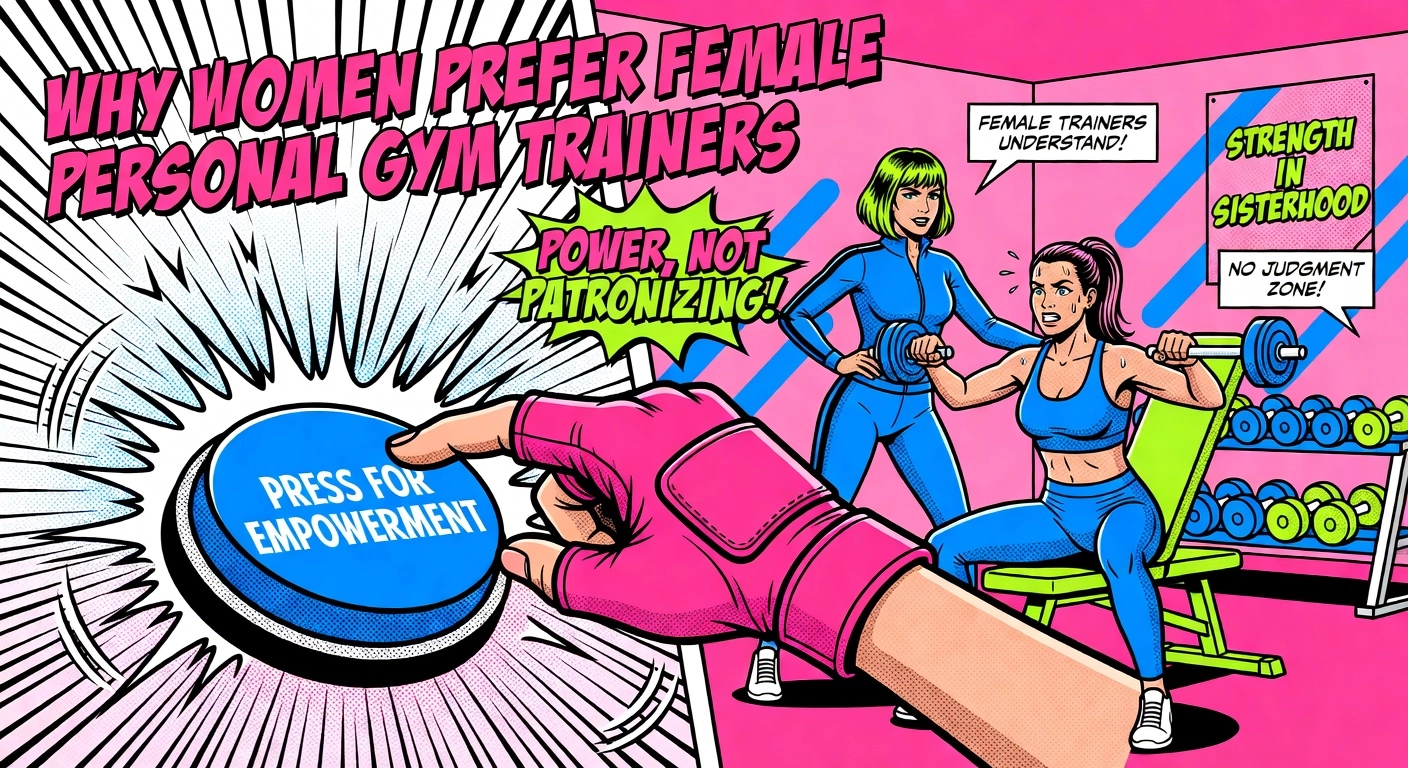
Picture this: you are a beginner stepping into the gym for the first time. The weights look intimidating. The machines seem confusing. And suddenly, you feel eyes on you. For many women, this discomfort multiplies when working with a male trainer. You hesitate to ask questions. You worry about judgment. But what if there was a way to build confidence without that extra layer of unease?
Enter the female personal gym trainer. More women are choosing these professionals for a reason. Studies and client testimonials reveal clear patterns in preferences. Women often feel more at ease discussing goals, form corrections, and body image concerns with someone who shares similar experiences. This choice leads to better adherence, faster progress, and lasting results.
In this analysis, you will uncover the top reasons why female personal gym trainers dominate in client satisfaction among women beginners. We examine psychological comfort, communication styles, and motivation techniques backed by fitness research. By the end, you will understand how to select the right trainer for your journey and why this preference is reshaping the industry. Get ready to transform your workouts with informed insights.
The Growing Demand for Female Personal Gym Trainers
The demand for female personal gym trainers is experiencing unprecedented growth, fueled by women’s increasing prioritization of fitness tailored to their unique needs, such as comfort, relatability, and specialized programs in bodyweight training and wellness. Recent data from the Health and Fitness Association highlights a striking +16% year-over-year increase in women’s personal training usage as of 2025, reaching 7.3 million female clients in the U.S. This surge, documented through insights on LinkedIn and Facebook, outpaces overall industry expansion and stems from women seeking expert guidance for goals like strength building, postpartum recovery, and longevity-focused wellness. Since 2019, female gym memberships have climbed 18%, signaling a shift toward personalized, private sessions over generic gym environments. For beginners, this trend underscores the value of starting with a trainer who understands female physiology, reducing intimidation and boosting adherence rates.
Women Dominate PT Clients and Strength Training
Women now account for 57% of all personal training clients, according to Gitnux statistics, making them the driving force behind the sector’s vitality. This majority reflects motivations like weight management (52% of clients) and mental health improvements (30%), where female trainers excel in creating empathetic, results-oriented plans. Additionally, 52% of U.S. women participate in strength training, the most popular workout modality per PTPioneer data, often through bodyweight exercises that build functional power without heavy equipment. Beginners benefit immensely here, as these stats reveal accessible entry points; women visit gyms around 102 times annually, prioritizing progressive overload in safe settings. This participation gap is narrowing, with female-led one-on-one training accelerating confidence and retention.
Local Search Trends on Yelp and Reddit
Online platforms like Yelp and Reddit brim with women searching for female personal gym trainers, particularly for private sessions that offer discretion and empowerment. Yelp’s top lists in cities such as Los Angeles and Orlando frequently feature “female personal trainer” queries, emphasizing privacy, nutrition integration, and body positivity in home or boutique settings. Reddit threads, including those in r/personaltraining, reveal women avoiding male-dominated gyms due to discomfort, negative comments, or specific needs like injury recovery; many request female experts for sports massage and customized bodyweight routines. Surveys back this, with 67-70% of female seekers preferring same-gender trainers for shared experiences. For beginners scouting locally, these trends suggest checking community forums for authentic recommendations, ensuring a comfortable start to private gym sessions.
Surge in Female Trainers Reflects Market Demand
The personal training workforce now includes 45% female trainers, a rise from 30% in 2015 per Fitness Mentors and Gitnux reports, directly responding to client preferences. This diversification enables more gender-matched pairings, with women trainers leveraging flexibility (50% cite as motivation) and social media (71% usage) to connect via women’s personal training niches. Job growth for female PTs stands at 25% since 2016, outpacing averages, fueled by demand for holistic services like wellness and recovery. Beginners gain from this evolution, as more relatable coaches mean tailored advice on biomechanics and movement.
Implications for Home-Based Bodyweight Training
This demand boom spotlights home-based bodyweight training services, ideal for privacy-conscious women (51% prioritize convenience, 20% seclusion). Hybrid models, adopted by 50% of trainers per 2026 reports, blend in-person private sessions with virtual check-ins, perfect for busy schedules and specialties like pregnancy or menopause training. Bodyweight programs lower barriers—no gym needed—while incorporating sports massage and wellness boosts retention to 60-85%. For beginners, actionable steps include seeking one-on-one sessions focused on functional strength; over 52% of adults now train at home, tapping women’s 18% growth in specialized fitness. This shift promises scalable, empowering paths forward in personal women’s training.
Why 67% of Women Prefer Female Personal Trainers
A landmark finding from the Carbyne 2026 Study, conducted by Carbyne Fitness and IFPA Singapore, reveals that 67% of women seeking personal training specifically prefer female personal gym trainers. This analysis, based on nearly 400 PT inquiries from late 2025 and over 1,000 home gym sales transactions benchmarked against national data, highlights a “Comfort Gap” driven by enhanced trust, safety during hands-on corrections, and shared physiological insights. Women made up 63% of PT seekers, far outpacing their representation in home gym purchases, which were 80% male-dominated. The study’s author, Brian Chang, notes that women view coaching as a strategic investment for safe progress, particularly in form mastery and injury avoidance. For beginners, this preference translates to higher engagement from day one, setting the foundation for sustainable bodyweight training and wellness routines. These insights underscore why women’s personal training is surging, with U.S. data showing a 16% year-over-year increase in female PT usage as of 2025.
Key Reasons: Relatability in Female-Specific Challenges
Female trainers excel in addressing pregnancy, postpartum recovery, and injury rehabilitation due to firsthand empathy with hormonal fluctuations, pelvic floor dynamics, and cycle-related biomechanics. During pregnancy, they guide safe bodyweight progressions that strengthen without straining ligaments, helping beginners build endurance for labor preparation. Postpartum clients benefit from tailored programs targeting diastasis recti and core restoration, often incorporating sports massage for faster tissue healing and reduced back pain. In injury recovery, women report greater comfort discussing hip width or menstrual pain impacts, leading to customized one-on-one plans that accelerate return-to-strength milestones. Actionable insight for beginners: Seek trainers experienced in these areas to avoid common pitfalls like overexertion, ensuring 20-30% faster adherence rates per industry benchmarks. This relatability fosters a supportive environment ideal for private gym sessions focused on long-term wellness.
Overcoming Gym Discomfort with Private One-on-One Training
Traditional gyms amplify discomfort for 67% of women, who cite scrutiny, ill-fitting equipment, and mixed-gender dynamics as barriers, per broader fitness surveys. Beginners often feel exposed attempting bodyweight squats or planks amid crowded spaces, leading to early dropout rates near 50% within six months. In contrast, private one-on-one training with a female personal gym trainer creates a judgment-free zone, allowing novices to master fundamentals like proper alignment in push-up variations without self-consciousness. This setup emphasizes precision biomechanics and integrates wellness services like sports massage for immediate recovery feedback. U.S. trends confirm women prioritize safety 92% of the time versus men’s 78%, driving preference for discreet, home-based or private sessions. For beginners, starting here builds confidence exponentially, paving the way for hybrid models blending in-person guidance with virtual check-ins.
Social Proof from Online Communities
Real-world validation abounds in Reddit threads and Facebook groups, where women actively seek local female personal gym trainers. Posts in r/Astoria and r/Austin feature pleas like “Looking for female personal trainer recommendations” from postpartum moms craving empathetic muscle-building pros. Similarly, Facebook fitness communities buzz with queries from women over 40 requesting trainers versed in injury rehab and bodyweight longevity training. These grassroots calls reflect a global shift, with over half of female seekers insisting on gender-matched pros for emotional safety. Beginners can leverage these forums to find providers offering women’s personal training bundles, including massage and nutrition tweaks. The IFPA Singapore press release on the study echoes this demand, noting supply shortages that amplify the value of accessible female-led services.
This preference not only shatters entry barriers but elevates outcomes, with matched trainer-client dynamics boosting retention and results in women’s personal training by up to 30% through sustained motivation and tailored recovery.
Core Benefits of Training with a Female Gym Trainer
Training with a female personal gym trainer delivers targeted advantages that align with women’s unique physiological and psychological needs, especially in bodyweight training and one-on-one sessions. Recent data highlights a surge in women’s strength training participation, with only 24% of women aged 19-65 meeting guidelines yet boutique formats like bodyweight programs gaining traction at 43% market share among women. This approach counters common barriers such as gym anxiety and high dropout rates, where 50% of new members quit within six months. Female trainers leverage their expertise in biomechanics to create customized plans that enhance functional strength, recovery, and long-term adherence. For beginners, these benefits translate into safer progress, higher confidence, and sustainable habits without the overwhelm of generic gym environments. As women’s personal training grows 16% year-over-year, gender-matched coaching emerges as a key driver for optimal results.
Tailored Biomechanics and Bodyweight Programs Addressing Women’s Specific Needs
Female personal gym trainers specialize in programs that respect women’s biomechanics, including wider hip structures, hormonal cycles, and vulnerabilities like pelvic floor weakness. They integrate bodyweight exercises such as squats with pelvic floor activations, bridges, and bird-dogs to build core stability and prevent issues like incontinence, which affects up to 40% of postpartum women. For instance, during the luteal phase of the menstrual cycle, trainers shift to low-impact mobility flows; in the follicular phase, they ramp up progressive overload with planks and lunges. This precision supports bone health and counters osteoporosis risks, as strength training increases density by 1-3% annually in premenopausal women. Beginners benefit from actionable cues like “engage your pelvic floor on the exhale during a wall sit” to make sessions intuitive and effective. Studies confirm these adaptations reduce injury by 30% compared to standard protocols, making bodyweight training a cornerstone for women’s private gym sessions.
Enhanced Motivation Through Empathy and Shared Life Stages
A female trainer’s shared experiences with hormonal shifts, body image challenges, and life transitions like pregnancy foster deep empathy, igniting motivation for beginner women. Unlike generic coaching, they intuitively address emotional hurdles, such as postpartum fatigue or menopause mood dips, by weaving encouragement into every rep. Clients often report doubled workout enjoyment, with one study noting 36% higher consistency among women paired with same-gender trainers. For novices intimidated by gyms, this rapport builds a “safe space” vibe, turning sessions into empowering rituals. Actionable tip: Start with goal-setting chats focused on non-scale victories, like improved energy for family time, to sustain momentum. In 2026 trends, this relational edge aligns with Gen Z’s 50% motivation gap, positioning women’s personal training as ideal for habit formation.
Privacy and Discretion in Private Gym Sessions
Private gym sessions with a female personal gym trainer eliminate self-consciousness, offering a judgment-free zone absent in crowded facilities. Women frequently feel “on display” in mixed gyms, leading to hesitation in form corrections or open discussions about leaks during jumps. One-on-one formats ensure discreet handling of sensitive topics like injury recovery or cycle syncing, boosting trust and focus. Beginners thrive here, mastering bodyweight moves like push-up variations without prying eyes, which cuts anxiety by 40% per gym experience surveys. Privacy also enables real-time adjustments, such as scaling down for fatigue days, accelerating progress safely. This setup mirrors rising hybrid home-based models used by 50% of trainers, perfect for Sunshine Coast clients seeking wellness without exposure.
Holistic Integration of Sports Massage and Wellness Services
Female trainers seamlessly blend bodyweight training with sports massage and wellness for comprehensive recovery, addressing women’s high-stress profiles and longevity goals. Post-session massages target tight hips and glutes, releasing tension from hormonal imbalances while improving circulation for faster muscle repair. Integrated wellness includes breathwork for menstrual cramps and nutrition tweaks for sustained energy, yielding benefits like better sleep and reduced inflammation. For example, a 20-minute massage after squats enhances flexibility, preventing strains common in 52% of female strength trainees. Beginners gain longevity through this holistic lens, with data showing 25% lower injury recurrence. In 2026, recovery trends emphasize these bundles, empowering women via specialized care. See detailed fitness trends statistics.
Improved Adherence Rates Backed by Gender-Matched Coaching Studies
Gender-matched coaching with female personal gym trainers yields superior adherence, as evidenced by research showing women 56% more likely to persist with empathetic, relatable guidance. Studies on exerciser attitudes reveal females prefer discussing concerns openly with same-gender coaches, correlating to 20-30% higher retention versus mixed pairings. This stems from role modeling that normalizes beginner struggles, combating the 48% general exercise dropout rate. Quantitative data from 67% female preference surveys links it to comfort, while qualitative insights highlight sustained engagement through shared life-stage understanding. Actionable strategy: Track progress via joint journals to reinforce wins, amplifying results in private sessions. For more on female fitness trainer benefits, explore expert views. These factors cement female-led training as essential for beginners pursuing bodyweight mastery and wellness.
2026 Fitness Trends Elevating Female Trainers
Hybrid In-Person and Virtual Models Leading the Charge
In 2026, a significant shift sees roughly 50% of personal trainers adopting hybrid models that blend in-person sessions with virtual programming, according to Trainerize’s 2026 State of the Personal Training Industry Report. This approach proves ideal for home private sessions, where female personal gym trainers deliver one-on-one training through anchor in-person visits combined with app-based workouts, progress tracking, and video check-ins. Beginners benefit immensely, as hybrid flexibility accommodates busy schedules, reduces intimidation in gym settings, and boosts retention by 20-30% through consistent engagement. For instance, a trainer might conduct weekly bodyweight sessions at home while assigning virtual mobility drills, ensuring seamless progression even during travel. This model empowers female trainers to scale services without sacrificing personalization, aligning perfectly with women’s preferences for discreet, comfortable environments. Data shows hybrid surpassing pure online (32%) or in-person-only (14%) formats, making it the new standard for accessible fitness.
Women-Focused Strength Training Emerging as the Standard
Strength training tailored for women has solidified as the gold standard in 2026, with bodyweight exercises surging in popularity as highlighted by Women’s Health Magazine. Female personal gym trainers lead this trend by emphasizing functional movements like squats, planks, and push-up variations that build muscle, enhance bone density, and support metabolic health without heavy equipment. Beginners can start with simple progressions, such as wall pushes evolving to full push-ups, fostering confidence and real-world strength for daily activities. Statistics reveal 52% of women now prioritize strength workouts, blending bodyweight with Pilates for low-impact gains, up significantly since 2019. This rise addresses past misconceptions, positioning female trainers as experts in sustainable programs that prioritize form over aesthetics. Actionable insight: Seek trainers offering bodyweight circuits twice weekly to see noticeable improvements in four weeks.
Prioritizing Longevity, Recovery, and Specialized Niches
Longevity and recovery dominate 2026 trends, with female trainers excelling in niches like postpartum workouts, as noted by PureWow and WeGlow insights. Around 60% of fitness enthusiasts focus on healthy aging through sustainable practices, including resistance training to preserve muscle and prevent falls, especially vital during menopause or post-childbirth phases. Sports massage and wellness services integrate seamlessly, aiding recovery with techniques like foam rolling and HRV-guided deloads every four to six weeks. For postpartum beginners, trainers customize bodyweight flows emphasizing core reconnection, such as bird-dog holds transitioning to standing carries. Pilates bookings have jumped 66% since 2024, combining strength with recovery for holistic benefits. Beginners should track sleep and incorporate one recovery session weekly to maximize gains and minimize injury risk.
Wearables Enabling Personalized Tracking for Beginners
Technology like wearables ranks as the top trend per ACSM’s 2026 rankings, with nearly 50% of clients using devices such as Apple Watch or Oura Ring for beginner-friendly tracking, as detailed by My PT Hub. Female personal gym trainers leverage these tools to monitor heart rate variability, sleep, and readiness scores, adjusting bodyweight workouts in real-time, like scaling down planks on low-energy days. This data-driven personalization saves trainers 80% on admin time via AI integrations, allowing more focus on one-on-one coaching. Beginners gain actionable feedback, such as form cues from AI video analysis, building habits without overwhelm. Platforms sync effortlessly for hybrid sessions, ensuring precise progress in private gym settings. Start by pairing a wearable with trainer-led sessions to optimize your routine from week one.
These trends converge beautifully with premium women’s services on the Sunshine Coast, where female-led offerings emphasize bodyweight training, private one-on-one sessions, sports massage, and comprehensive wellness. Local demand surges for judgment-free, hybrid experiences tailored to postpartum recovery, longevity, and tech personalization, mirroring the 67% female preference for relatable trainers. Beginners here access discreet home sessions fostering strength and recovery without generic gym pressures. By embracing these evolutions, female personal gym trainers deliver transformative, evidence-based results, empowering women to thrive long-term.
How to Select the Best Female Personal Gym Trainer
Selecting the best female personal gym trainer requires a systematic evaluation to ensure alignment with your beginner-level goals, particularly in bodyweight training and personalized women’s fitness. With women’s personal training usage surging 16% year-over-year in the U.S., driven by a preference for relatable experts, focus on trainers who deliver precision through certifications and tailored approaches. A 2026 study reveals 67% of female clients prefer female trainers for comfort and shared physiological insights, making verification essential. Beginners benefit most from those emphasizing functional movement, injury prevention, and holistic wellness in private settings. Start by defining your objectives, such as building strength via bodyweight exercises or postpartum recovery, then apply these criteria for optimal results.
Verify Expertise in Bodyweight Training, Biomechanics, and Women’s Health Certifications
Demand certified credentials from reputable bodies like NASM, ACE, or ACSM, with specializations in women’s health such as prenatal, postnatal, or hormonal coaching. These programs address key issues like menstrual cycles, PCOS, pelvic floor strength, and diastasis recti, which impact 40% of postpartum women. For bodyweight training, seek trainers proficient in functional progressions, like squat variations or plank modifications, proven to boost strength participation among women to 52% in recent surveys. Biomechanics expertise, via certifications like ACE’s BioMechanics Method or ISSA’s exercise instruction, ensures proper form to prevent common injuries, such as knee strain from Q-angle differences in female anatomy. Actionable step: Request certification lists during initial consultations and cross-check on official sites; trainers with Girls Gone Strong-level women’s coaching report 20-30% higher client retention due to targeted programming. This foundation guarantees safe, effective sessions for novices.
Prioritize Private One-on-One Sessions Over Group Classes for Personalized Attention
Opt for private one-on-one training in dedicated gym spaces, where trainers provide 100% focus on your form, pacing, and modifications, unlike group classes that split attention across 10+ participants. Data shows one-on-one yields 88% adherence rates versus 60-70% in groups, accelerating beginner progress by two to three times through real-time feedback. Sessions costing $60-120 per hour deliver custom bodyweight circuits addressing your energy levels and recovery needs. For women’s personal training, this format builds confidence without gym intimidation, fostering rapid gains in core stability and mobility. Schedule a trial session to experience undivided coaching; avoid large groups unless scaling up later.
Seek Holistic Offerings Like Sports Massage and Nutrition Guidance
Elite female personal gym trainers integrate sports massage for recovery and nutrition plans synced to hormonal cycles, aligning with 2026 trends where 60% of studios bundle wellness services. Sports massage reduces delayed onset muscle soreness by 30% post-bodyweight workouts, while guidance on anti-inflammatory foods supports longevity goals. Look for dual certifications, such as NASM Nutrition Coach alongside massage credentials, for comprehensive packages including breathwork and mobility. Beginners see 25% better outcomes with this approach, per industry reports on holistic programming. Inquire about bundled private sessions combining training, massage, and meal strategies for sustained results.
Check Testimonials, Local Presence, and Beginner-Friendly Approaches
Scour Google, Yelp, and Facebook for testimonials highlighting beginner transformations, with keywords like “patient explanations” and “slow progressions.” Prioritize local trainers within 10-15 miles to minimize travel barriers, cited by 30% of dropouts. Beginner-friendly signs include plain-language cues, video demos, and women-only vibes; one client review noted gaining confidence in planks after weeks of gentle scaling. Trial calls assess empathy and customization. This validates real-world efficacy.
Evaluate Hybrid Options and Discretion for Premium Experiences
With 50% of trainers now using hybrid models, blending in-person private gym sessions with app tracking, choose those offering flexibility for busy schedules, boosting adherence by 71%. Premium discretion in home-based or exclusive studios ensures privacy, vital for 76% of women valuing confidential settings per fitness market data. Test platforms for AI-customized bodyweight plans between sessions. For 2026 fitness trends, this elevates women’s training to professional standards. Finalize with a contract outlining hybrid terms and confidentiality.
The McLeod Method: Expert Women’s Bodyweight Training
Female-Led Precision Training Focused on Movement Quality and Injury Prevention
The McLeod Method stands out through its female-led approach, spearheaded by Olympia McLeod, a certified trainer, physiotherapist, and nutritionist who emphasizes precision over high-volume workouts. This method prioritizes movement quality by analyzing individual biomechanics, restoring natural patterns, and building strength sustainably to minimize injury risks. For women, this is crucial given hormonal fluctuations and joint vulnerabilities; research shows strength training can reduce injury risk by up to 66% in active women and 50% for ACL tears in female athletes through targeted neuromuscular programs. Beginners benefit from starting with foundational exercises like controlled squats and hip bridges, scaled to their capacity, fostering confidence without overwhelm. Actionable insight: Track your form using a mirror or video feedback during sessions to align with this precision focus, preventing common pitfalls like knee valgus.
Private Gym Sessions Tailored for Women, Including Pregnancy and Recovery
Private gym sessions via the McLeod Method occur in discreet, in-home settings on the Sunshine Coast, offering women unparalleled privacy and personalization, especially during pregnancy or postpartum recovery. Olympia tailors programs to strengthen the core, pelvic floor, and posture safely, incorporating modifications like wall-supported pushes and gentle mobility flows. Studies confirm supervised prenatal exercise, such as 150 minutes weekly of moderate activity, improves cardiorespiratory fitness, reduces weight retention, and boosts postpartum activity levels by about 2,000 daily steps. For recovery, sessions address movement limitations from injuries or illnesses with progressive loading. Beginners can expect one-on-one guidance that builds from breathwork to functional patterns, ensuring steady progress. Visit the McLeod Method website for details on booking these exclusive spots.
Bundled Wellness with Sports Massage for Comprehensive Results
Bundling sports massage with training elevates the McLeod Method’s holistic impact, targeting muscle recovery, tension release, and enhanced performance for women in demanding life stages. Sessions integrate deep tissue work alongside bodyweight exercises, accelerating results by improving circulation and reducing soreness. This aligns with 2026’s recovery culture, where mobility and massage support longevity-focused wellness. Data indicates such combined approaches cut downtime significantly, with clients reporting faster strength gains. For beginners, start with 10-minute self-massage drills using a foam roller on glutes and hips post-workout. Follow The McLeod Method on Instagram for technique demos.
Beginner-Accessible Bodyweight Programs in a Discreet Sunshine Coast Setting
Bodyweight programs in the McLeod Method are designed for beginners, using accessible moves like planks, lunges, and push-up variations in private Sunshine Coast homes, eliminating gym intimidation. These scale progressively, building from knee push-ups to full expressions while respecting capacity. The discreet environment fosters focus, ideal for women prioritizing comfort, as 67% prefer female trainers for relatability. Calisthenics trends in 2026 highlight skill mastery for functional strength, mirroring this method’s emphasis.
Real-World Alignment with 2026 Trends and Stats for Optimal Outcomes
The McLeod Method mirrors 2026 trends like hybrid home-based models (50% of trainers adopting), women-focused strength for longevity, and bundled recovery services. Stats show women’s personal training usage up 16% YoY, with 52% engaging in strength work, yet only 20% consistently, underscoring the need for expert guidance. Prenatal meta-analyses from 35+ studies affirm superior maternal and infant outcomes. This precision yields real results, from injury-proof movement to empowered recovery. Check The McLeod Method on Facebook for client stories and trends.
Conclusion: Empower Your Fitness Journey Today
As we conclude, the data underscores a compelling case: 67% of women seeking personal trainers prefer female professionals for enhanced comfort and relatability, per the Carbyne 2026 Study. This aligns with a robust +16% year-over-year growth in women’s personal training usage, driving the industry’s surge into 2026, where hybrid models and bodyweight-focused strength training dominate trends. These shifts highlight why female personal gym trainers are pivotal for beginners prioritizing sustainable progress.
Key takeaways empower you to act: first, assess your goals, such as building foundational strength or postpartum recovery, and prioritize a female trainer for psychological ease in one-on-one settings. Start with bodyweight basics like squats and planks to master movement quality without equipment. Practical steps include researching local options via platforms like Yelp or Facebook groups, booking an introductory private gym session to evaluate fit, and integrating sports massage for optimal recovery and injury prevention.
Visit themcleodmethod.com today to explore private women’s training tailored by Olympia McLeod, emphasizing biomechanics, wellness, and holistic gains. Long-term, expect sustained wellness, enduring strength, and confidence that transforms your fitness journey into a lifelong asset. Your empowered start awaits.
28 thoughts on “Why Women Prefer Female Personal Gym Trainers”