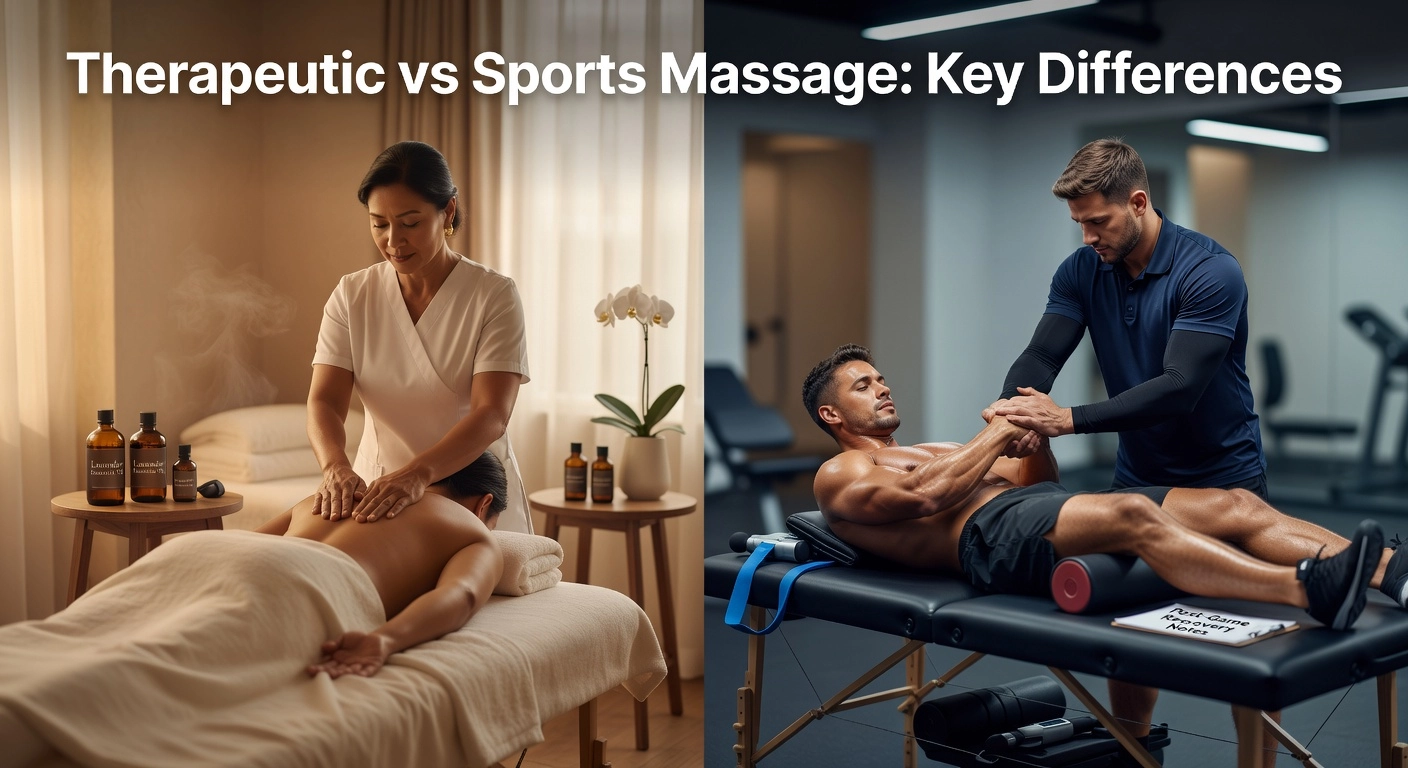
Have you ever stepped off the gym floor with aching muscles, wondering which type of massage could truly restore your body? Or perhaps chronic tension from desk work leaves you seeking relief that goes beyond surface-level relaxation. If so, you are not alone. Millions turn to professional massage therapy each year, yet confusion often arises between therapeutic and sports massage.
In this comprehensive comparison, we break down the key differences between therapeutic and sports massage. Therapeutic massage focuses on overall wellness, targeting stress, pain, and imbalances through gentle, restorative techniques like Swedish strokes or deep tissue work. Sports massage, by contrast, is tailored for athletes and active individuals. It emphasizes injury prevention, enhanced performance, and rapid recovery using dynamic methods such as cross-friction and trigger point therapy.
As a beginner, you will gain clarity on when to choose each modality, their unique benefits, potential risks, and what to expect in a session. By the end, you will confidently select the right massage to support your health goals, whether you are recovering from daily strains or pushing athletic limits. Dive in to discover how these therapies can transform your well-being.
What Is Therapeutic Massage?
Therapeutic massage employs gentle, flowing techniques, such as Swedish massage, to promote overall relaxation, reduce stress and anxiety, alleviate chronic pain, and enhance circulation for general wellness. Unlike more vigorous options like sports massage, it targets superficial muscle layers with lighter pressure, making it ideal for beginners focused on proactive body maintenance rather than athletic performance. Research shows it effectively lowers stress hormones like cortisol while boosting serotonin for better mood and sleep, with studies indicating short-term pain relief for conditions like fibromyalgia and back pain after just five weeks of regular sessions. For those new to wellness practices, this approach provides a low-risk entry point to improve flexibility and immune function without discomfort.
Common methods include effleurage, long gliding strokes using palms or forearms to warm tissues, stimulate blood flow, and encourage lymphatic drainage for detoxification; it’s perfect for opening a session and easing beginners into relaxation. Petrissage follows with kneading, squeezing, and rolling motions to release muscle knots, break down adhesions from daily tension, and flush waste products, enhancing flexibility gradually. Learn more about effleurage vs. petrissage differences. Passive stretching and light friction integrate seamlessly, offering non-invasive care suitable for novices in bodyweight training or personal training routines seeking sustainable recovery.
This massage suits non-athletes perfectly, including office workers combating daily stress, fitness beginners in women’s or men’s personal training, and pregnant women with adapted prenatal versions. For pregnancy, side-lying positions and mild pressure every two weeks from the second trimester reduce swelling, back pain, and anxiety while elevating oxytocin for emotional well-being; always consult a provider first. Explore therapeutic benefits in detail. Data from the American Massage Therapy Association reveals 43% seek it for relaxation and 42% for chronic pain, with usage 10% higher among parents.
Sessions typically last 60-90 minutes in a serene environment with dim lights, soft music, and aromatherapy to foster trust and calm. They begin with a 5-10 minute intake on health history, progress to 10-15 minutes of effleurage warm-up, include 30-50 minutes of core petrissage and stretching on areas like the back and legs, and end with cool-down strokes for integration. Beginners benefit from weekly or bi-weekly visits in private gym settings, promoting flexibility and emotional balance as part of holistic wellness services. The global massage market, valued at $76.6 billion in 2026, underscores its rising demand for everyday recovery.
What Is Sports Massage?
Sports massage stands out from therapeutic massage by delivering a vigorous, targeted approach designed for athletes and highly active individuals. While therapeutic massage prioritizes gentle relaxation and overall stress relief through techniques like Swedish strokes, sports massage dives deeper with intense methods to tackle sport-specific demands. It employs deep tissue work to penetrate muscle layers and fascia, releasing chronic tension built from repetitive training. Trigger point therapy zeroes in on knotted areas that cause referred pain, such as a tight shoulder muscle radiating discomfort down the arm. Active stretching, where you participate in guided movements, further enhances range of motion and prepares muscles for peak performance. These elements make sports massage essential for injury prevention, faster recovery, and performance gains, often feeling more dynamic and purposeful than its therapeutic counterpart.
Types of Sports Massage
Sports massage adapts to different training phases, offering precise timing for optimal results. Pre-event massage, performed 15 to 60 minutes before activity, uses fast-paced, invigorating strokes to boost circulation, flexibility, and mental focus, reducing injury risk without causing fatigue; think of it as a dynamic warm-up for runners or weightlifters. Inter-event or maintenance massage occurs between competitions or weekly sessions, flushing lactic acid, sustaining flexibility, and addressing minor fatigue through lymphatic drainage and lighter compression, ideal for multi-day events like marathons. Post-event massage, applied soon after exertion, employs slow, gentle techniques to cut inflammation and delayed-onset muscle soreness (DOMS) by up to 30%, promoting blood flow and lymphatic clearance for quicker bounce-back. For beginners in intense routines, start with 30-minute sessions tailored to your sport.
This therapy extends far beyond elite athletes to everyday fitness enthusiasts, especially those in bodyweight training or personal training programs prone to repetitive stress injuries. Calisthenics practitioners, for instance, often face shoulder impingement from pull-ups or elbow tendinopathy from dips; sports massage restores muscle balance, enhances circulation, and prevents overuse issues like lower back strain from squats. Women in personal training or private gym sessions benefit similarly, integrating it with wellness services for holistic recovery. Actionable tip: Schedule maintenance massages bi-weekly if training four-plus days weekly to maintain gains.
A compelling 2025 study of 150 athletes aged 18-45 underscores these advantages. Bi-weekly 40-minute deep tissue sports massages over eight weeks yielded statistically significant improvements: better muscle recovery (χ² = 9.41, p = 0.0243), enhanced performance (F = 6.61, p = 0.004), and superior flexibility (χ² = 19.77, p < 0.001), especially in lumbar, knee, and shoulder areas. Longer sessions amplified flexibility most. For beginners, this evidence supports incorporating sports massage into your routine for sustained progress. Learn more in this sports vs therapeutic massage comparison or detailed breakdown. As demand surges over 20% in 2025, it pairs seamlessly with bodyweight and one-on-one training for peak wellness.
Key Differences: Therapeutic vs Sports Massage
Intensity
Therapeutic massage applies lighter pressure with slow, rhythmic strokes to foster deep relaxation and ease everyday tension, making it perfect for beginners seeking comfort without strain. This approach avoids overwhelming the muscles, prioritizing a soothing experience that enhances blood flow and reduces cortisol levels. In contrast, sports massage delivers deeper, faster strokes to manipulate tight muscles, break down knots, and improve tissue mobility, often feeling more intense but therapeutic for active bodies. For instance, during a session after bodyweight training, sports massage targets overworked areas like the core or shoulders with vigorous pressure to accelerate recovery. Data shows this intensity helps reduce delayed-onset muscle soreness (DOMS) by 13-30%, according to meta-analyses in sports medicine journals. Beginners should start with therapeutic if new to massage, gradually building tolerance for sports techniques in personal training routines.
Goals
Therapeutic massage aims for holistic wellness, focusing on stress relief, better sleep, and overall relaxation to support mental and physical health in daily life. It addresses chronic issues from sedentary habits or light activity, promoting circulation and flexibility without a performance angle. Sports massage, however, zeroes in on injury prevention and performance enhancement, helping athletes or fitness enthusiasts like those in women’s personal training maintain peak condition. Structured programs incorporating sports massage can cut sports injuries by up to 50%, per expert studies on athletes. This makes it ideal for preventing strains during private gym sessions or one-on-one training. For beginners, choose therapeutic for general de-stressing; opt for sports if your goals involve enhancing endurance or recovering from workouts.
Techniques
Therapeutic massage relies on gliding strokes like effleurage and gentle kneading to calm the entire body, often paired with aromatherapy for added relaxation. These methods soothe broad areas, improving flexibility without discomfort. Sports massage employs advanced techniques such as cross-friction to realign scar tissue, neuromuscular therapy to release spasms, and trigger point work for precise relief. In a session tailored to bodyweight exercises, therapists might use compression and stretching on hamstrings to boost range of motion. Research from ICT Schools comparison highlights how these differ, with sports methods supporting faster tissue repair. Beginners benefit from therapeutic’s simplicity; sports techniques shine in wellness services for active clients.
Duration and Timing
Therapeutic massage sessions last 45-90 minutes as standalone wellness rituals, scheduled flexibly for ongoing stress management. They stand alone, untethered from exercise schedules. Sports massage adapts durations from 30-90 minutes, timed strategically around training: pre-event for warm-up, post-workout for recovery, or weekly maintenance. For example, book sports massage right after personal training to combat soreness, aligning with rising trends in recovery-focused gyms. French professional soccer teams integrate it in 78% of programs, per AMTA data, underscoring its event-based efficacy. Actionable tip: Track your training calendar and pair sports massage post-session for optimal results; use therapeutic mid-week for balance.
The global massage market, valued at $20-76 billion in 2025, sees sports massage growing at 9.4% CAGR, reflecting demand in fitness integration like Grand View Research reports. For bodyweight or personal training clients, blending both maximizes benefits. Consult a specialist to personalize your choice.
Benefits of Each Backed by 2026 Research
Therapeutic Massage Benefits
Therapeutic massage delivers profound wellness advantages, particularly for beginners easing into bodyweight training or personal training routines. Recent 2025-2026 studies highlight its ability to improve sleep quality significantly. For instance, a randomized trial showed that 60-90 minute relaxation sessions before bedtime boosted sleep efficiency by reducing cortisol levels and activating the parasympathetic nervous system, offering a non-drug option for better rest.[1] This benefit proves actionable for newcomers; schedule a session after evening workouts to unwind and recover overnight. Users often report deeper, uninterrupted sleep, essential for muscle repair during personal women’s or men’s training.
Beyond sleep, therapeutic massage excels at reducing anxiety and depression symptoms through endorphin release and mood enhancement. The American Massage Therapy Association’s 2025 research confirms its role in alleviating stress, with participants experiencing lasting emotional improvements over five-week courses.[2] Beginners dealing with training-induced tension find this particularly valuable, as it fosters mental resilience without medication. Incorporate it weekly alongside private gym sessions to maintain motivation and emotional balance.
Enhanced tissue repair rounds out its strengths, as massage increases blood flow to deliver oxygen and nutrients to damaged areas, cutting inflammation and speeding healing. Wellness studies from 2025 link it to faster recovery from minor strains common in bodyweight exercises like planks or squats. For practical use, target sessions post-injury in one-on-one training to promote flexibility and prevent chronic issues.
Sports Massage Benefits
Sports massage provides athletes and active beginners with targeted performance gains, ideal for sports massage integrated into wellness services. It accelerates recovery from delayed-onset muscle soreness (DOMS), outperforming methods like cold immersion or stretching per 2026 reviews. Trials on boxers demonstrated reduced lactic acid and pain with deep tissue techniques, allowing quicker return to training.[3] Active individuals in repetitive bodyweight programs can book post-workout sessions to cut downtime by days.
Structured programs featuring sports massage reduce injuries by up to 50%, addressing imbalances and boosting flexibility. This makes it a staple for preventing strains in personal training, with 2025 analyses affirming lower incidence through early detection. Beginners should pair it with coach-guided routines for optimal results.
At major events, sports massage sees 45% more usage than other treatments, underscoring its trust among pros. This high adoption signals reliability for everyday users pushing limits in gym sessions.
Shared Perks and Industry Surge
Both therapeutic and sports massage boost circulation, mobilizing blood and lymph flow to reduce congestion and aid recovery across wellness contexts. This shared edge supports tissue health in any training regimen.
Sports massage commands 18% market share in the $20-76 billion global industry, expanding at 7-8.8% CAGR through 2030. Notably, 78% of French professional soccer teams integrate it for peak performance, a trend extending to fitness enthusiasts. For beginners, start with therapeutic for relaxation, progress to sports for intensity; combine in bespoke wellness plans for comprehensive gains.
When to Choose Therapeutic or Sports Massage
When to Choose Therapeutic Massage
As a beginner navigating therapeutic and sports massage options, start with therapeutic massage if you experience chronic stress, tension from a desk job, or need gentle recovery after personal training sessions. This approach uses lighter, flowing techniques to melt away everyday strains like “tech neck” from prolonged sitting, improving circulation and reducing cortisol levels by up to 31% according to recent studies. For instance, office workers often report 48% less pain after regular sessions, making it ideal for building body awareness without discomfort. If you’re incorporating bodyweight training into your routine for the first time, pair it with therapeutic massage post-session to enhance flexibility and promote restful sleep. Actionable tip: Schedule 60-minute sessions weekly to gradually increase your tolerance, especially if your pain threshold is low. This sets a strong foundation for wellness services like one-on-one training.
When to Choose Sports Massage
Opt for sports massage when dealing with repetitive strain from bodyweight exercises such as push-ups or squats, or to optimize pre- and post-workout performance in active lifestyles. It targets specific muscles with deep tissue work and stretching, flushing out metabolic waste to cut delayed-onset muscle soreness (DOMS) by 10-30% and speed recovery by 25-40%, as shown in athlete studies over eight weeks. Runners or personal training enthusiasts benefit from pre-event sessions that boost range of motion, while post-workout applications reduce inflammation markers like creatine kinase. For injury rehab, it prevents overuse issues, with structured programs slashing sports injuries by up to 50%. Beginners advancing in private gym sessions should consider it once comfortable with deeper pressure. Data from 2025 trends highlights a 20% demand surge due to recovery science, aligning perfectly with hybrid fitness-massage protocols.
Key Factors: Fitness Level, Pain Tolerance, and Goals
Your choice hinges on fitness level, pain tolerance, and goals; beginners with sedentary habits thrive on therapeutic massage to avoid overload and build resilience gradually. Active individuals with higher tolerance favor sports massage for performance edges like enhanced tissue repair. Assess goals clearly: stress relief points to therapeutic, while injury prevention or workout optimization favors sports. Consult a licensed therapist to blend techniques, factoring in contraindications like acute injuries. For example, desk-bound beginners might start therapeutic and transition to sports after four weeks of bodyweight progress.
Tailoring to Demographics
Customize based on demographics for optimal results. Women in personal training, especially during pregnancy, should prioritize pregnancy-safe therapeutic massage after 20 weeks, which eases back pain, reduces swelling, and may shorten labor by three hours, per AMTA research on massage and pregnancy. Men pursuing performance in men’s training benefit from sports massage to combat fatigue and improve output, tapping into the segment’s 8-13.7% growth rate. Both align with bespoke wellness services; always get physician clearance for safety. As the global market hits $72.5 billion in 2025 with sports at 18% share, integrate these into your routine for sustained gains. (AMTA on massage for exercisers)
Integrating Massage with Bodyweight and Personal Training
Pairing Therapeutic Massage with One-on-One Sessions for Stress Recovery and Bodyweight Training Adherence
Therapeutic massage pairs seamlessly with one-on-one personal training sessions to promote stress recovery, which directly boosts adherence to bodyweight training programs like push-ups, squats, and planks. By employing gentle Swedish techniques, it reduces cortisol levels, elevates serotonin and dopamine, and enhances sleep quality, countering the mental fatigue often experienced after intense bodyweight workouts. Beginners benefit most, as this combination mitigates everyday tension from desk jobs or new routines, fostering consistency; a 2025 randomized trial showed bi-weekly sessions improved perceived recovery and reduced fatigue by up to 20 percent in active individuals. Actionable insight: schedule therapeutic massage immediately before or after one-on-one sessions to improve blood flow, range of motion, and posture, cutting overuse injuries that derail progress. For women’s or men’s personal training clients, this integration follows a four-step protocol: knot removal, muscle lengthening, targeted strengthening, and joint mobilization. Clients report 30-40 percent higher training adherence when stress is managed this way, per wellness experts.
Sports Massage Post-Private Gym Sessions for Accelerated Muscle Repair in Personal Training Clients
Sports massage excels post-private gym sessions, accelerating muscle repair for both women’s and men’s personal training clients engaged in bodyweight or hybrid routines. Its vigorous deep tissue work, trigger point therapy, and stretching flush lactic acid, boost circulation, and minimize delayed-onset muscle soreness (DOMS), enabling quicker return to training. Studies confirm 20-30 percent faster flexibility recovery and reduced inflammation; for instance, athletes receiving bi-weekly sessions over eight weeks gained superior performance and tissue repair. No gender differences exist in efficacy, making it ideal for personalized programs targeting repetitive stress from planks or squats. Recommend timing sessions 24-72 hours after private gym workouts to optimize lymphatic drainage and nutrient delivery. This approach supports injury prevention, with structured programs including sports massage reducing sports injuries by up to 50 percent.
Bundles of Massage Plus Training for Holistic Wellness, Mirroring Hybrid Gym Trends
Bundling therapeutic or sports massage with bodyweight and personal training delivers holistic wellness, addressing physical recovery, mental health, and performance in comprehensive packages. This mirrors 2026 hybrid gym trends, where facilities integrate recovery services alongside training, driving 20-30 percent revenue growth through higher client retention and loyalty. The global massage therapy market, valued at USD 76.6 billion in 2026, projects to USD 133.3 billion by 2036, fueled by fitness-wellness convergence; U.S. fitness clubs at $48.2 billion see 8 percent gains from such add-ons. For beginners, bundles offer a one-stop solution: pair weekly therapeutic with bodyweight sessions for stress relief, or bi-weekly sports post-training for repair. Case example: clients in private one-on-one programs combining these report enhanced sleep, lower anxiety, and sustained progress, boosting overall wellness.
Recommended Frequency for Optimal Integration
Tailor frequency to training intensity: weekly therapeutic massage for maintenance during high-stress bodyweight cycles, ensuring flexibility and mental recovery; shift to every 2-4 weeks for lighter loads. Bi-weekly sports massage aligns best with moderate personal training (4-5 sessions weekly), scaling to weekly for high-volume or competition prep. Personalize based on phases, like post-event recovery within 72 hours, combined with hydration and sleep. AMTA data shows 36 percent of users seek massage for soreness relief, underscoring these schedules’ effectiveness. Beginners should consult trainers for cycles matching their goals, yielding faster DOMS reduction and long-term adherence. This strategic integration elevates bodyweight training outcomes while promoting sustainable wellness.
2026 Trends Shaping Therapeutic and Sports Massage
In 2026, therapeutic and sports massage are converging with fitness trends, offering beginners in bodyweight training and personal sessions powerful recovery tools. Therapeutic massage emphasizes gentle relaxation for stress relief and flexibility, while sports massage delivers vigorous deep tissue work for performance gains. Both see over 20% demand growth as everyday users integrate recovery protocols into hybrid gyms combining workouts with wellness services. This shift benefits non-athletes too, like those in women’s or men’s personal training facing repetitive strain from bodyweight exercises such as squats or planks.
Fitness Integration: Over 20% Demand Rise in Hybrid Gyms
Demand for therapeutic and sports massage surges over 20% annually, driven by recreational fitness participation and a 20% rise in sports injuries, per recent market analysis. Therapeutic options suit beginners recovering from desk-induced tension during one-on-one sessions, promoting circulation with Swedish techniques. Sports massage, comprising 18% of the market, targets muscle readiness pre- and post-bodyweight routines, reducing delayed-onset muscle soreness (DOMS) by up to 50% in structured programs. Hybrid gyms pair these with private sessions; for example, therapeutic eases adherence for stressed newcomers, while sports enhances output for active trainees. Actionable tip: Schedule therapeutic post-yoga flow for relaxation, sports after high-rep circuits for repair. See detailed massage therapy market analysis.
Personalization via Wearables and AI
Wearables and AI enable hyper-customized sessions, analyzing biomechanics for data-driven care. Therapeutic massage uses app-tracked stress data for tailored Swedish strokes, ideal for pregnancy or injury recovery in women’s training. Sports massage leverages motion sensors for trigger point therapy, optimizing for athletes’ asymmetries during personal gym work. Pros of AI personalization: 95% client satisfaction in health outcomes; cons: requires tech literacy for beginners. Compare use cases: therapeutic for holistic wellness tracking, sports for performance metrics. Recommendation: Pair your fitness tracker with a therapist for biomechanics scans before sessions.
Tech-Assisted Tools Like Percussion Devices
Percussion devices, like massage guns, blend with traditional methods for superior results, with their market hitting $1.36 billion in 2026. Therapeutic pairs gentle vibrations with hands-on flow for pain relief; sports combines deep pulses with stretching for faster tissue repair, as seen in studies with 150 athletes gaining flexibility. Pros: enhanced circulation over manual alone; cons: initial noise or intensity for novices. In private gym settings, use post-bodyweight for DOMS; therapeutic calms spasms, sports prevents injury.
Recovery Science in Wellness Trends
Recovery science dominates, projecting the market to $29-133 billion by 2030-2036 at 7-9% CAGR. Therapeutic aids sleep and anxiety reduction (56% seek mental benefits); sports cuts injuries 50%, aligning with AMTA industry fact sheet. Beginners: Integrate therapeutic weekly for wellness, sports bi-weekly for training peaks. This evolution makes both essential for sustainable bodyweight and personal training progress.
Conclusion: Actionable Takeaways for Better Recovery
As a beginner exploring therapeutic and sports massage, the key to unlocking better recovery lies in selecting the right approach based on your goals. Therapeutic massage excels for relaxation and stress relief, using gentle techniques to ease daily tensions from bodyweight training or desk-bound lifestyles, while sports massage targets performance enhancement with vigorous deep tissue work to accelerate muscle repair and prevent injuries in active routines. Assess your needs honestly: if chronic soreness or anxiety dominates, opt for therapeutic; for post-workout recovery in personal training sessions, choose sports. Always consult certified experts for personalization, as individual biomechanics vary. Studies show structured programs incorporating massage can reduce sports injuries by up to 50 percent, making this step essential for sustained progress.
Start with Proven Session Structures and Track Results
Begin with 60-minute sessions to allow sufficient time for thorough assessment and treatment without overwhelming your body. This duration aligns with research on bi-weekly deep tissue massages, where athletes experienced improved recovery, flexibility, and performance over eight weeks. Track progress using simple recovery metrics like soreness levels on a 1-10 scale, sleep quality, and range of motion before and after sessions. For instance, note reduced delayed-onset muscle soreness (DOMS) after bodyweight exercises such as squats or push-ups. Apps or journals can help log these, revealing patterns over four to six weeks. This data-driven method empowers beginners to refine their routine effectively.
Book Integrated Wellness at themcleodmethod.com
For bodyweight training clients, themcleodmethod.com offers bespoke wellness services that seamlessly blend therapeutic and sports massage with one-on-one personal training, private gym sessions, and women’s or men’s focused programs. These integrated packages cater to injury recovery, pregnancy support, or performance goals, drawing on 2026 trends like fitness-wellness convergence. Clients report faster adherence to training amid reduced anxiety and enhanced tissue repair. Schedule your first session today to experience tailored recovery that complements your fitness journey.
Experiment Safely for Optimal Gains
Experiment by combining massage with post-session hydration, aiming for 16-20 ounces of water immediately after, and gentle stretching to prolong benefits. Pair therapeutic relaxation with yoga flows or sports massage with dynamic warm-ups in your personal training. Monitor for that potential 50 percent injury drop by maintaining consistency. Avoid overexertion; rest if unusual fatigue arises.
Prioritize regular massage amid booming 2026 trends, where the global market surges toward $29-133 billion by 2030-2036 at 7-8.8 percent CAGR, with sports massage claiming 18 percent and demand rising over 20 percent due to recovery science. This positions therapeutic and sports massage as staples for beginners, fostering sustained fitness gains, injury prevention, and holistic wellness in hybrid training environments. Commit now for transformative results.
2 thoughts on “Therapeutic vs Sports Massage: Key Differences”