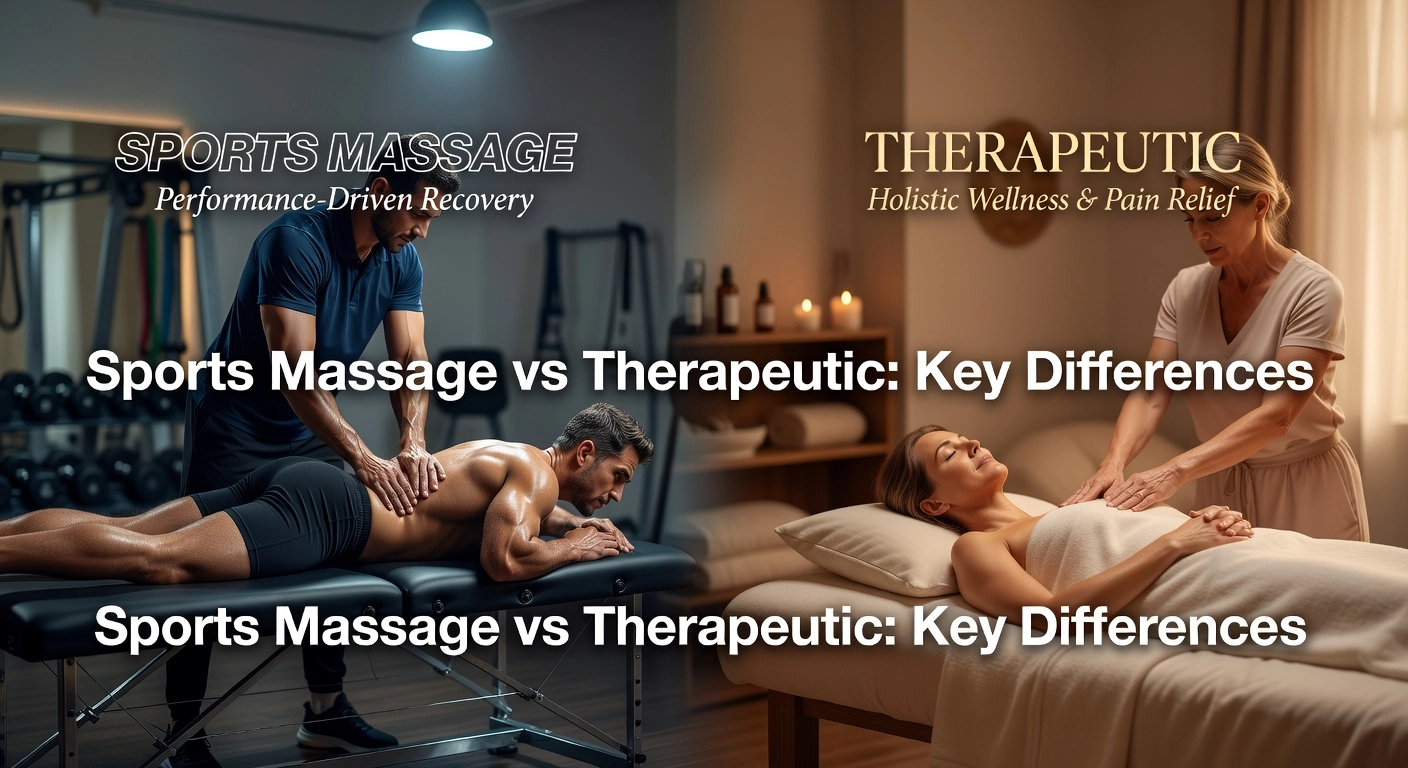
Whether you are an avid runner logging marathon miles or a weekend warrior pushing personal bests in the gym, muscle tension and recovery demands are constant companions. Yet, choosing the right massage therapy can mean the difference between prolonged soreness and optimal performance. This is where understanding sports massage vs therapeutic massage becomes essential.
Both modalities offer profound benefits for body maintenance, but they diverge significantly in purpose, techniques, and application. Sports massage targets athletes and active individuals, employing deep tissue work, stretching, and compression to address sport-specific injuries, enhance flexibility, and accelerate recovery. Therapeutic massage, by contrast, adopts a broader, holistic approach focused on overall stress relief, pain management, and general wellness through gentler strokes, Swedish techniques, and energy balancing.
In this comprehensive comparison, you will discover the core techniques of each, their unique benefits and limitations, ideal scenarios for use, and practical tips for selecting the best option for your needs. Armed with this knowledge, you can make informed decisions to elevate your training regimen or daily well-being. Let’s dive into the key differences that set them apart.
Defining Sports Massage
Sports massage is a targeted therapy designed specifically for athletes, fitness enthusiasts, and active individuals engaged in bodyweight training or intense workouts. Its primary focus lies in injury prevention, performance enhancement, and accelerated recovery, setting it apart from therapeutic massage, which prioritizes general relaxation and stress relief for everyday wellness. By addressing the musculoskeletal demands of physical activity, sports massage helps prevent strains from repetitive motions common in gym sessions or one-on-one personal training. For instance, it improves circulation and flexibility to reduce risks like shin splints in runners or shoulder tension in weight trainers.
Key techniques include deep tissue massage, which uses slow, firm pressure to release adhesions in deeper muscle layers; trigger point therapy, applying sustained compression to deactivate painful knots; stretching, either active or practitioner-assisted to expand range of motion; and dynamic pressure, involving rhythmic strokes and friction to flush lactic acid and boost blood flow. These methods are sport-specific, such as pre-training mobilization for powerlifters or post-session recovery for CrossFit athletes.
The intensity is notably deep and often intense, sometimes bordering on discomfort to achieve therapeutic results, unlike the gentler strokes of therapeutic massage. Sessions typically occur regularly: 15-30 minutes pre-training for warm-up, deeper 45-60 minute treatments post-training, or weekly maintenance during peak cycles.
Proven benefits include reducing delayed onset muscle soreness (DOMS) by 30% and boosting performance by 15% with regular use, according to data from Wifitalents massage statistics. This makes it ideal for pairing with women’s or men’s personal training and private gym sessions.
Sports massage commands an 18% market share with a 9.4% CAGR, outpacing the industry’s growth, as reported by Happy Head Massage stats. For active clients, incorporating it enhances outcomes in wellness services.
Understanding Therapeutic Massage
Therapeutic massage stands in contrast to sports massage by focusing on general relaxation, stress relief, pain reduction, and overall well-being for a broad audience, including desk workers, seniors, and those with everyday tension rather than athletes in training. This approach promotes holistic healing through gentle manipulation of soft tissues, improving circulation, easing chronic stiffness, and supporting the body’s natural recovery processes without the intensity required for performance enhancement. Unlike the targeted, deep work of sports massage, therapeutic sessions prioritize a calming experience that addresses lifestyle-induced discomfort, making it ideal for non-athletes seeking maintenance care. For instance, office professionals with shoulder knots or individuals managing mild arthritis find sustained relief from regular, low-pressure treatments. Cleveland Clinic on therapeutic massage benefits
Key techniques include Swedish strokes like effleurage for gliding warmth over the skin, petrissage for rhythmic kneading to release muscle tension, and light to moderate pressure that avoids soreness. Optional enhancements such as aromatherapy with lavender or eucalyptus oils amplify relaxation by engaging the senses and reducing cortisol levels. These methods create a flowing, soothing rhythm, often lasting 60 to 90 minutes in a tranquil setting, contrasting the dynamic stretches and trigger points of sports massage. Clients report feeling rejuvenated yet rested, with techniques customized to individual tolerance for optimal comfort.
Sessions occur as needed, such as monthly for maintenance or weekly for persistent issues, due to their milder intensity that suits beginners and non-athletes perfectly. This flexibility pairs well with wellness services like bodyweight training recovery or one-on-one personal sessions, providing gentle support without downtime. Benefits are well-documented: 59% of consumers seek it for stress reduction, while it also enhances sleep quality, elevates mood through endorphin release, and boosts circulation for better nutrient delivery (massagebook.com). In the 2026 market, Swedish massage holds 28% share, with deep tissue subsets reaching 44.5%, underscoring its dominance in relaxation-focused demand. ICT Schools comparison guide For personalized integration, consult a therapist to align with your routine.
Core Differences at a Glance
| Aspect | Sports Massage | Therapeutic Massage |
|---|---|---|
| Focus | Performance enhancement, injury prevention, recovery | Relaxation, stress relief, general pain management |
| Target Audience | Athletes, fitness enthusiasts, bodyweight trainers | General public, desk workers, chronic tension sufferers |
| Techniques | Deep tissue, trigger point, stretching, compression | Swedish strokes, kneading, light pressure |
| Intensity | High, deep targeted pressure | Gentle to moderate, comfort-focused |
| Frequency | Regular, pre/post-training sessions | Occasional, as needed for maintenance |
Sports massage excels for soreness relief, with 35% of users seeking it post-exercise and studies showing a 30% reduction in delayed onset muscle soreness (DOMS) [elementsmassage.com scientific research]. Therapeutic massage targets chronic tension, where 29% of consumers use it for pain management alongside 43% for stress reduction [AMTA consumer views].
For fitness enthusiasts in bodyweight training or one-on-one sessions, sports massage boosts performance by 15%, improves flexibility, and prevents injuries during intense workouts. Desk workers benefit more from therapeutic massage to ease neck stiffness and headaches from prolonged sitting, promoting relaxation without overload [kaizenhealthgroup athletic vs therapeutic].
Consider a vibrant infographic featuring this table, icons like weights for sports and a relaxed pose for therapeutic, plus pie charts for stats to engage readers visually.
In 2026, hyper-personalization drives choices, with assessments tailoring sports massage for recovery in private gym sessions or therapeutic for wellness, aligning market growth to $22.62B.
Techniques and Intensity Compared
Sports Massage Techniques: Dynamic Prep and Recovery Focus
Sports massage prioritizes athletic performance through targeted methods like range-of-motion (ROM) work and cross-fiber friction. ROM techniques involve therapist-assisted stretches, either passive or active, to restore joint mobility and elongate tight muscles from repetitive training, such as squats in bodyweight programs. This prevents imbalances and boosts flexibility for gym-goers or one-on-one sessions. Cross-fiber friction delivers deep, perpendicular pressure with thumbs or knuckles to muscle fibers, breaking scar tissue and adhesions from overuse injuries like runner’s hamstring strains. According to Physio-pedia, this promotes collagen realignment, increases blood flow, and accelerates recovery, reducing delayed-onset muscle soreness (DOMS) by up to 30%. Actionable insight: Schedule pre-event ROM for warm-ups and post-session friction for faster repair in personal training cycles.
Therapeutic Massage Techniques: Flowing Strokes for Relaxation
Therapeutic massage contrasts with gentler Swedish-derived strokes like effleurage and petrissage to enhance circulation and release everyday tension. Effleurage uses long, gliding motions toward the heart to warm tissues, stimulate lymphatic drainage, and lower stress hormones, ideal for desk workers or wellness seekers. Petrissage employs kneading and squeezing to lift muscles, disperse knots, and improve elasticity without intensity. These foster holistic calm, improving sleep and mood via endorphin release. For women’s personal training clients with chronic stiffness, this builds recovery without strain.
Intensity and Application: Athletic Strain vs. Holistic Calm
Sports massage intensity runs deep and vigorous, zeroing in on sport-specific strains like shoulder inflammation from overhead presses, often feeling intense but yielding 15% performance gains with regular use. Therapeutic massage stays moderate for sustained relaxation, boosting circulation by 20% post-session. ICT Schools and Kaizen Health Group align these: sports uses “deeper pressure for fibers,” therapeutic “gentle strokes for unwinding.” In 2026, tech trends like massage guns, with $1.5B sales, supercharge sports recovery via percussion for ROM and adhesion breakdown, per market analysis at MassageBook. Pair sports massage with private gym sessions for optimal results; opt for therapeutic for general wellness. Elite Learning emphasizes its injury prevention edge.
Benefits and Ideal Audiences
Benefits of Sports Massage
Sports massage delivers targeted benefits like improved flexibility, enhanced circulation, and boosted endurance, making it essential for active lifestyles. By elongating muscle fibers and reducing adhesions, it increases range of motion, as confirmed by a BMJ review of 29 studies showing significant flexibility gains. Enhanced blood flow flushes metabolic waste, supports healing, and reduces inflammation, while regular sessions cut delayed onset muscle soreness (DOMS) by 30% and elevate athlete performance by 15%, per recent analyses. These outcomes prevent injuries and accelerate recovery, ideal for gym-goers pushing progressive overload, bodyweight trainees refining form during one-on-one sessions, and laborers enduring repetitive strains. For instance, construction workers report less occupational fatigue after weekly maintenance massages paired with bodyweight recovery drills. Intermediate fitness enthusiasts gain a performance edge, scheduling pre- and post-training sessions to sustain high-volume workouts without burnout.
Benefits of Therapeutic Massage
Therapeutic massage excels at lowering anxiety, easing chronic stiffness, and promoting overall relaxation through gentler Swedish strokes and kneading. It reduces cortisol levels, with 59% of consumers seeking stress relief and 43% citing anxiety reduction in AMTA surveys. For desk workers, it alleviates neck and shoulder tension from poor posture; arthritis patients experience less pain and stiffness via improved circulation and mobility. Sessions enhance sleep and mood, addressing non-athletic issues like remote work fatigue.
Key Comparisons and Trends
Sports massage suits dynamic users, while therapeutic targets sedentary stress. Stats show men’s usage rising at 8% CAGR, with 20-23% participation versus 25% for women (MassageBook 2026). Sports massage, holding 18% market share with 9.4% CAGR, expands beyond elites to fitness program participants like pickleball players (up 311%) and everyday gym-goers, per Biotone insights on active Americans. For intermediates, integrate sports massage biweekly with bodyweight training for optimal recovery and gains. See sports vs therapeutic comparison for technique details. This positions sports massage as your wellness ally in private sessions.
Pros and Cons of Each
Sports Massage: Pros and Cons
Sports massage excels in faster recovery and injury prevention, making it ideal for those engaged in bodyweight training or one-on-one sessions. It reduces delayed onset muscle soreness (DOMS) by up to 30% and boosts performance by 15% with regular use, according to recent studies. Enhanced circulation and flexibility lower risks from repetitive strain, perfect for athletes or gym enthusiasts pushing training intensity. However, it can be painful due to deep tissue and trigger point techniques, which may discomfort beginners. It is also unsuitable for acute injuries, where aggressive pressure could exacerbate inflammation, as noted in a BMJ Open Sport & Exercise Medicine meta-analysis.
Therapeutic Massage: Pros and Cons
Therapeutic massage offers relaxing effects and broad accessibility, promoting stress relief, better sleep, and eased chronic tension for desk workers or wellness seekers. Gentler Swedish strokes and kneading improve overall circulation without intensity, suiting non-athletes. Yet, it provides less targeted support for athletic performance, lacking sport-specific stretching or recovery timing for high-intensity goals.
Consumer trends reveal 35% seek soreness relief while 59% prioritize stress reduction, per market analysis. Choose sports massage for intense training; therapeutic for general wellness. Both benefit from holistic integrations like myofascial release, which frees fascial restrictions to enhance range of motion in recovery protocols or private gym sessions. (198 words)
2026 Trends Influencing Your Choice
Sports Massage Surge in Fitness Hybrids and Mobile Services
Sports massage is booming within fitness hybrids, like boutique studios combining bodyweight training with recovery protocols, appealing to gym-goers and recreational athletes beyond elites. This growth aligns perfectly with the $595.92 million mobile massage market in 2026, up 16.5% from 2025, enabling on-demand sessions at private gyms or homes during one-on-one training. Active individuals benefit from its injury prevention and performance boosts, reducing DOMS by 30% and enhancing endurance by 15%. In contrast, therapeutic massage suits those prioritizing relaxation in these settings, though less tailored for high-intensity recovery.
Hyper-Personalization and Tech Enhancements
Hyper-personalization via biomechanical assessments and AI-driven tension mapping customizes sessions, mirroring the precision of women’s or men’s personal training. Sports massage leverages this for sport-specific needs, like post-bodyweight workout recovery, while therapeutic focuses on stress profiles. Innovations like PEMF devices cut inflammation and AI tools optimize pressure, elevating both but favoring sports for athletes. The global market, valued at $22.62 billion in 2026 with a 7.69% CAGR to $35.4 billion by 2032, underscores this shift (massagebook.com).
Sustainability and Trauma-Informed Trends
Sustainability trends, including eco-oils and organic linens, enhance appeal for wellness-focused clients in both modalities. Trauma-informed care emphasizes consent and emotional safety, vital for therapeutic massage’s mental health benefits and increasingly integrated into sports for holistic recovery. Choose sports massage for dynamic fitness lifestyles; opt for therapeutic for restorative balance. These evolutions make informed selection key to maximizing your training outcomes.
Which Massage is Right for You?
Choosing between sports massage and therapeutic massage depends on your goals and lifestyle. Opt for sports massage if you engage in athletic training or recovery, such as bodyweight workouts or one-on-one gym sessions; it reduces delayed onset muscle soreness (DOMS) by 30% and boosts performance by 15% through deep tissue techniques and stretching. Select therapeutic massage for daily stress relief, chronic tension, or general wellness, as it lowers anxiety for 59% of users seeking relaxation via gentler Swedish strokes. Active individuals like gym-goers or personal training clients benefit most from sports massage’s injury prevention, while desk workers favor therapeutic options.
Why Combine Them for Peak Results?
Pair therapeutic massage for baseline stress reduction with sports massage post-bodyweight sessions to accelerate recovery by 30%, enhance flexibility, and minimize injury risk. This hybrid approach aligns with 2026 trends in holistic fitness programs, delivering optimal outcomes for women’s or men’s personal training.
The McLeod Method bundles sports massage with private gym training, integrating recovery into personalized bodyweight and strength sessions for efficient, transformative results.
Self-Assessment Quiz
- Do workouts cause soreness? (Yes: Sports)
- Main issue is daily stress? (Yes: Therapeutic)
- Training 3+ times weekly? (Yes: Sports)
- Prefer firm pressure? (Yes: Sports) Mostly sports answers? Choose it. Mix? Combine!
Book a session today to experience personalized benefits tailored to your needs.
Actionable Takeaways
Prioritize Based on Intensity
If you train intensely with bodyweight exercises or one-on-one sessions, prioritize sports massage to cut delayed onset muscle soreness (DOMS) by 30% and boost performance by 15%, per recent studies. Therapeutic massage suits maintenance phases for stress reduction, sought by 59% of users. Athletes and gym enthusiasts benefit most from sports massage’s deep techniques, while desk workers favor therapeutic’s gentle Swedish strokes.
Optimal Scheduling and Integration
Schedule weekly sports massage sessions around training to enhance recovery, especially with bodyweight protocols at The McLeod Method. Opt for bi-weekly therapeutic sessions to sustain flexibility and mood. This rhythm aligns with sports massage’s 9.4% CAGR, outpacing the market.
Personalize and Track Progress
Consult professionals for hyper-personalized plans amid 2026 trends like tech-assisted recovery. Track soreness reduction, flexibility gains, and stress levels post-session; log improvements weekly. For women’s or men’s personal training, this data refines your wellness routine, amplifying results in private gym settings.
Conclusion
In summary, sports massage focuses on athletes’ needs with deep tissue work, stretching, and compression to boost recovery and performance. Therapeutic massage takes a holistic path, using gentler Swedish techniques for stress relief and overall wellness. These modalities differ in purpose, intensity, and application, making the right choice crucial for your goals. This guide equips you with the knowledge to match therapy to your lifestyle.
Ultimately, informed decisions lead to reduced soreness, enhanced flexibility, and sustained vitality. Ready to optimize your recovery? Consult a certified therapist today, book your ideal session, and step confidently toward peak health. Your best performance awaits; seize it now.
2 thoughts on “Sports Massage vs Therapeutic: Key Differences”